Food fibers are often associated with nutritional claims and digestive health. While these benefits remain important, they no longer tell the full story.
Today, food fibers are increasingly used as functional ingredients that help manufacturers improve texture, manage water, stabilise formulations and optimise product performance. Across bakery, meat alternatives, snacks, ready meals and sauces, fibers have become valuable formulation tools rather than simple nutritional additions.
At the same time, selecting a fiber is rarely a straightforward decision. Different fiber sources behave differently in production. A psyllium fiber may influence viscosity, while a potato fiber may contribute to water binding. Oat fiber, pea fiber or fruit fibers can each bring a different combination of functionality, appearance and processing behaviour. Understanding these differences is becoming increasingly important for both R&D and procurement teams.
Why Food Fibers Are Becoming More Important
Several trends are driving the growing role of food fibers in modern food manufacturing.
Manufacturers are under pressure to improve nutritional profiles, support clean-label positioning and optimise production efficiency at the same time. In many applications, fibers can contribute to multiple objectives within a single formulation. They may support fibre enrichment, improve water retention, influence texture or help stabilise finished products during processing and storage.
As formulations become more complex, fibers are increasingly evaluated in the same way as proteins, specialty flours and other functional ingredients. The focus is no longer limited to nutritional value alone. Manufacturers want ingredients that deliver predictable performance and help solve practical formulation challenges.
Related articles: Herbs and Spices in Food Manufacturing: More Than Just Seasonin
Different Fibers, Different Functionalities
One of the biggest misconceptions about food fibers is that they all perform the same function.
In reality, fiber ingredients can vary significantly depending on their source, processing method and physical characteristics. This is why selecting the right fiber often depends more on the desired functionality than on the fibre content itself.
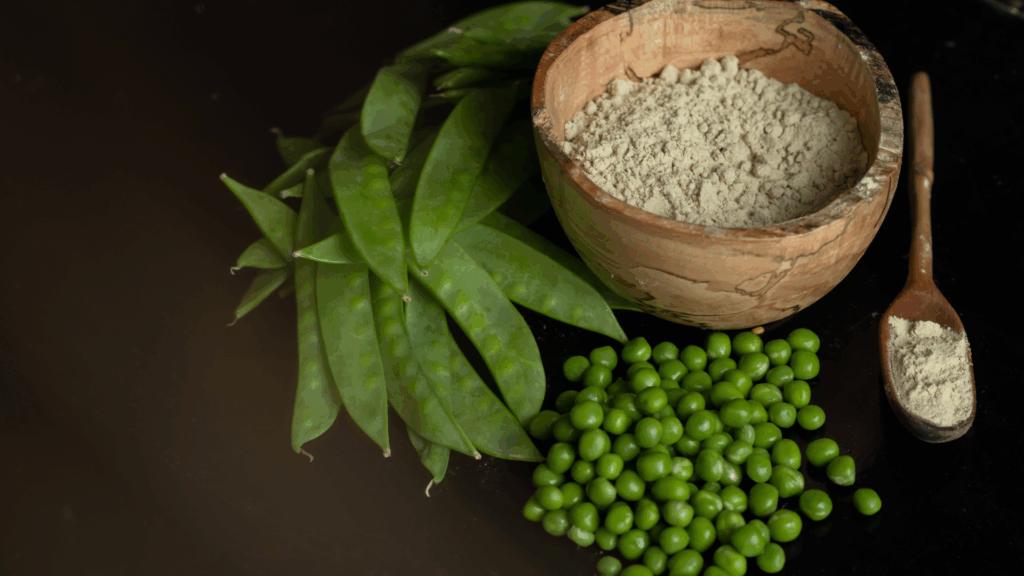
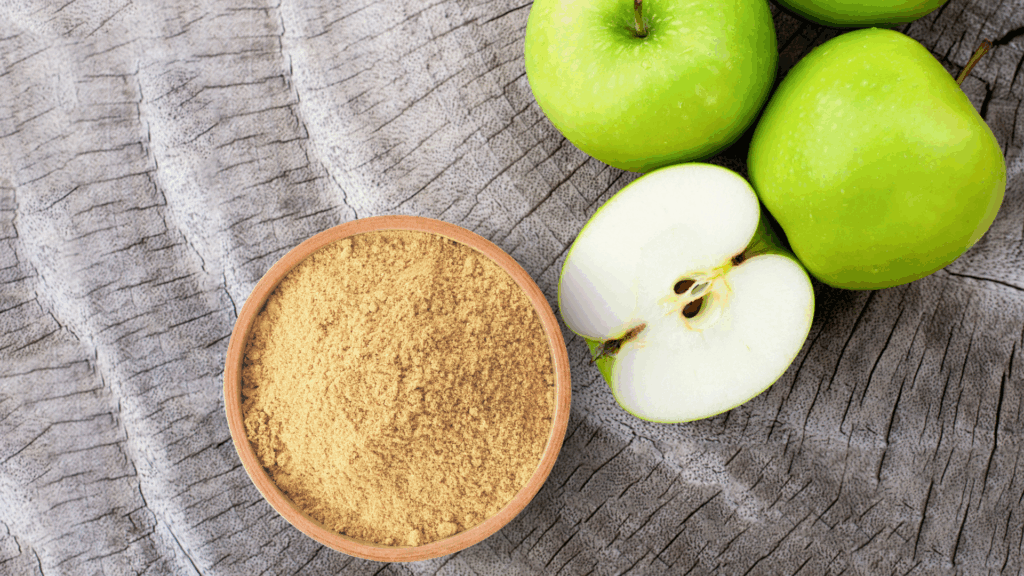
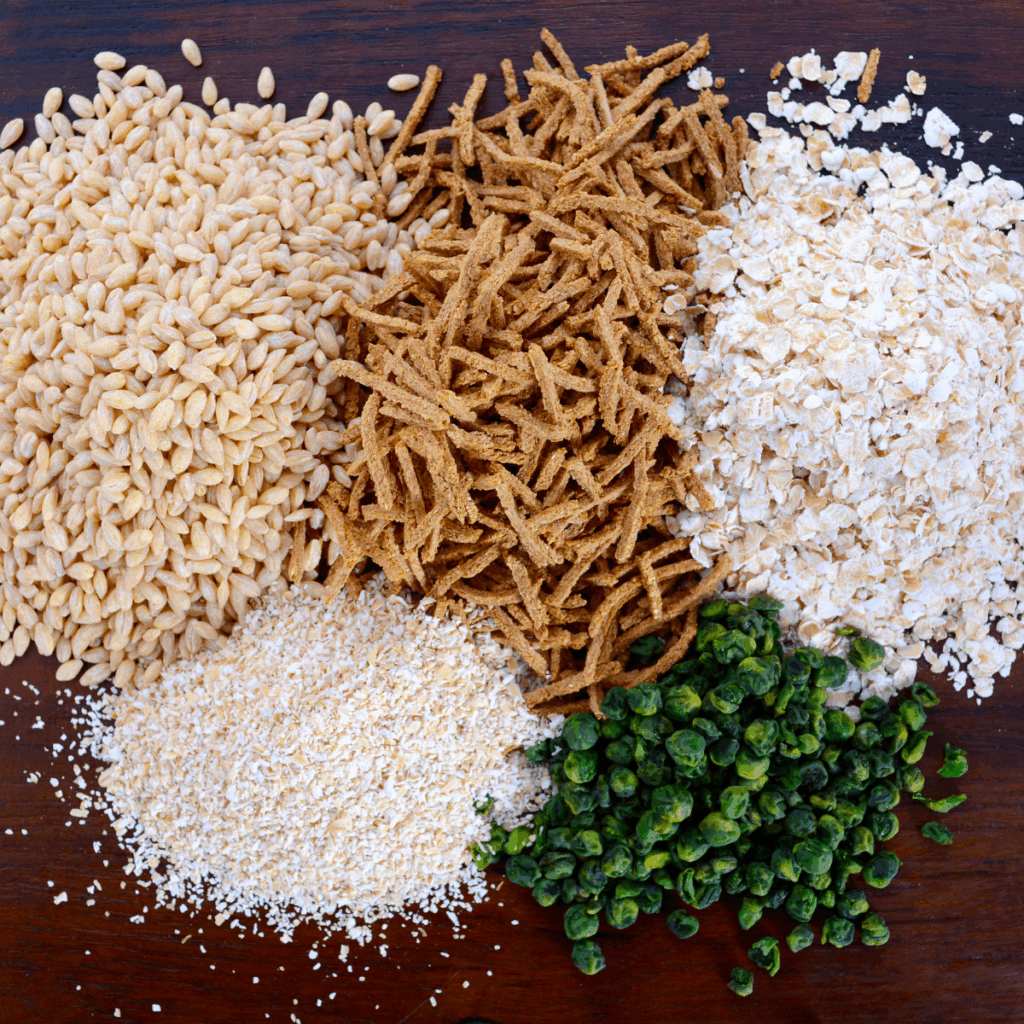
Potato fiber, pea fiber and flax fiber are frequently used in applications where water management and texture are critical. Psyllium is often valued for its ability to influence viscosity and structure. Oat fiber can support texture improvement across a range of bakery and savoury applications, while fruit-based fibers such as cocoa, blackcurrant and aronia fiber may provide additional benefits related to colour, appearance and product differentiation.
For manufacturers, the key question is therefore not whether to use a fiber, but which fiber best supports the desired product outcome.
Food Fibers Across Key Food Applications
The functionality of food fibers depends not only on the ingredient itself but also on the application.
Different product categories present different formulation challenges. In some cases, the priority is water retention. In others, manufacturers focus on texture, yield, process stability or nutritional positioning. Choosing the right fiber therefore starts with understanding the product rather than selecting the ingredient.
Bakery Products
Bakery applications continue to be one of the largest users of food fibers. Depending on the formulation, fibers can support water absorption, improve crumb structure, extend freshness and contribute to fibre enrichment. Oat fiber, potato fiber and psyllium are commonly selected where dough performance and texture are key considerations.
Meat Alternatives
Plant-based products rely on carefully balanced formulations to achieve the desired texture and eating experience. Food fibers help manage moisture, improve structure and support process stability. Pea fiber, potato fiber and psyllium are frequently used alongside plant proteins to optimise product performance.
Soups, Sauces and Ready Meals
In liquid and semi-liquid applications, fibers can contribute to viscosity, water management and product stability during processing and storage. The choice of fiber depends on the required texture, processing conditions and the overall formulation strategy.
Snacks and Coatings
Snack manufacturers and producers of coating systems increasingly use food fibers to improve texture, optimise formulations and support nutritional positioning. As consumer expectations continue to evolve, fibers also provide opportunities to develop products with cleaner labels and enhanced functional properties.
Functionality Comes Before Fiber Content
When selecting a food fiber, nutritional value is only one part of the decision.
From a formulation perspective, manufacturers often begin by identifying the technical challenge they need to solve. This may involve improving water retention, increasing viscosity, enhancing texture or supporting process stability. Only then does the choice of fiber become meaningful.
For this reason, successful formulation work is rarely based on replacing one fiber with another. Even ingredients with similar fibre content may behave very differently during production. Water absorption capacity, particle size, colour and processing characteristics can all influence the final result.
Understanding these differences allows manufacturers to choose fibers based on functionality rather than specification alone, reducing development time and improving formulation consistency.
What Food Manufacturers Expect From Food Fiber Suppliers
Selecting a food fiber is only the first step. Delivering consistent performance over time depends just as much on the supplier as on the ingredient itself.
Unlike highly standardised raw materials, food fibers can vary in particle size, colour, water absorption and processing behaviour. Even small differences between production batches may influence texture, hydration or overall product performance, particularly in applications with complex formulations.
For this reason, food manufacturers increasingly evaluate suppliers based on more than price and availability. Consistent specifications, reliable documentation and a transparent quality management system have become essential sourcing requirements.
Manufacturers also expect suppliers to provide clear technical information that supports formulation work. Understanding how a particular fiber behaves during processing helps reduce development time and improves confidence when scaling up production.
Consistency Is the Foundation of Long-Term Sourcing
As product formulations become more sophisticated, consistency becomes one of the most valuable characteristics of any ingredient.
R&D teams invest significant time in developing formulations that meet nutritional, sensory and processing targets. Procurement teams then need confidence that the selected ingredients will continue to perform in the same way over the long term.
This is particularly important for food fibers, where functionality often depends on physical properties rather than chemical composition alone. Variations in particle size, moisture content or water-binding capacity can affect the behaviour of the entire formulation.
Reliable sourcing therefore goes beyond securing volume. It requires supplier verification, consistent production standards, traceability and quality systems capable of supporting repeatable product performance.
From Nutritional Ingredient to Functional Formulation Tool
The role of food fibers continues to evolve.
While nutritional value remains important, manufacturers increasingly select fibers for the functional benefits they bring to a formulation. Water management, texture optimisation, viscosity control and process stability have become equally important selection criteria.
At the same time, no single fiber can solve every formulation challenge. Different fiber sources offer different functional characteristics, making ingredient selection closely linked to the intended application.
As food manufacturing continues to move towards more sophisticated formulations and cleaner ingredient declarations, food fibers are becoming an increasingly strategic part of product development rather than simply a way to increase fibre content.
Selecting the Right Fiber Starts with the Application
There is no universal food fiber that performs equally well in every formulation.
The right choice depends on the product, the production process and the functionality manufacturers want to achieve. A bakery application may require improved water absorption and crumb structure, while a meat alternative may rely on moisture retention and texture stability. In sauces and ready meals, viscosity and process stability often become the primary considerations.
For this reason, successful fiber selection starts with the application rather than the ingredient itself. Understanding the formulation challenge allows manufacturers to identify the fiber that delivers the required functionality instead of relying solely on nutritional specifications.
This approach also reduces development time. Evaluating fibers based on their technical performance makes formulation work more predictable and helps minimise unnecessary trials during product development.
As demand for cleaner labels and more functional products continues to grow, food fibers are increasingly selected for the value they bring to the formulation as a whole—not simply for the fibre content declared on the label.
Summary
Food fibers have evolved far beyond their traditional role as nutritional ingredients.
Today, they are widely used to improve texture, manage water, optimise viscosity and support formulation stability across a broad range of food applications. From bakery and meat alternatives to sauces, ready meals and snacks, the right fiber can significantly influence both product quality and manufacturing performance.
As formulations become more sophisticated, selecting a food fiber is increasingly about functionality rather than fibre content alone. Understanding how different fibers behave in specific applications helps manufacturers make better formulation decisions and build more reliable sourcing strategies.
FAQ
What are food fibers used for in food manufacturing?
Food fibers are used to improve texture, water management, viscosity, product stability and nutritional value. They are widely applied in bakery products, meat alternatives, sauces, ready meals, snacks and coating systems.
Why are food fibers important in modern food formulations?
Modern formulations require ingredients that provide both nutritional and functional benefits. Food fibers help manufacturers optimise product performance while supporting clean-label development and consumer expectations.
Do all food fibers perform the same way?
No. Different fiber sources have different functional properties. Potato fiber, pea fiber, psyllium, oat fiber and fruit fibers each contribute differently to texture, water binding, viscosity and overall formulation performance.
Which food fibers are commonly used in food manufacturing?
Common food fibers include potato fiber, pea fiber, oat fiber, flax fiber, psyllium, cocoa fiber, blackcurrant fiber and aronia fiber. The choice depends on the intended application and required functionality.
Which industries use food fibers?
Food fibers are widely used by manufacturers of bakery products, meat alternatives, soups, sauces, ready meals, snacks, coatings and breadings, as well as nutritional and functional foods.
How do manufacturers choose the right food fiber?
The selection process usually starts with the formulation objective. Manufacturers evaluate factors such as water absorption, viscosity, texture, colour, process stability and compatibility with other ingredients before choosing a specific fiber.
Why is consistency important when sourcing food fibers?
Variations in particle size, colour or water-binding capacity can influence finished product performance. Consistent quality helps manufacturers maintain stable production processes and reduce formulation variability.
What should buyers look for in a food fiber supplier?
Key considerations include consistent product specifications, traceability, quality assurance systems, technical documentation, supplier verification and long-term supply reliability.
Are food fibers only used for clean-label products?
No. While food fibers are frequently used in clean-label formulations, they are also selected for their technological functionality, including texture improvement, moisture management and process optimisation.
What is the difference between nutritional and functional fibers?
Nutritional fibers are primarily valued for increasing dietary fiber content. Functional fibers are selected because they improve product performance, influencing texture, hydration, stability, viscosity and processing behaviour.
Source: