Specialty flours have become an essential category of modern food ingredients. As manufacturers continue to develop products with improved nutrition, distinctive sensory profiles and better functionality, alternative flours are playing an increasingly important role across multiple food categories.
While they are often associated with gluten-free products, their applications extend much further. Today, specialty flours help manufacturers improve texture, optimise processing, enhance nutritional value and create products that stand out in an increasingly competitive market.
Selecting the right flour is no longer about replacing wheat. It is about choosing an ingredient that delivers the functional properties required for a specific formulation.
Why Specialty Flours Are Becoming Strategic Ingredients
Consumer expectations continue to evolve. Today’s products are expected to offer more than great taste. Manufacturers are under pressure to improve nutritional profiles, simplify ingredient lists and create products with clear points of differentiation.
Specialty flours support these objectives by providing functional and nutritional benefits that conventional wheat flour cannot always deliver. Depending on the raw material, they can contribute fibre, protein, healthy fats or naturally occurring micronutrients while also influencing texture, colour and flavour.
For food manufacturers, specialty flours have become valuable formulation tools that support innovation across bakery, snacks, breakfast products, plant-based foods and functional nutrition.
Every Specialty Flour Brings Different Functional Advantages
There is no universal specialty flour suitable for every product. Each ingredient offers its own combination of technological and nutritional characteristics, making the selection process highly application-specific.
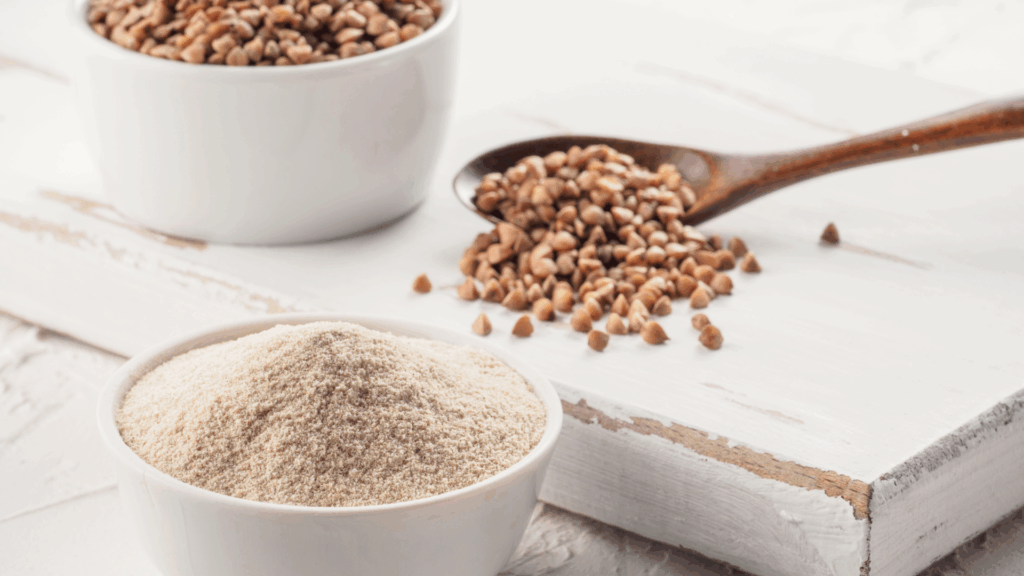
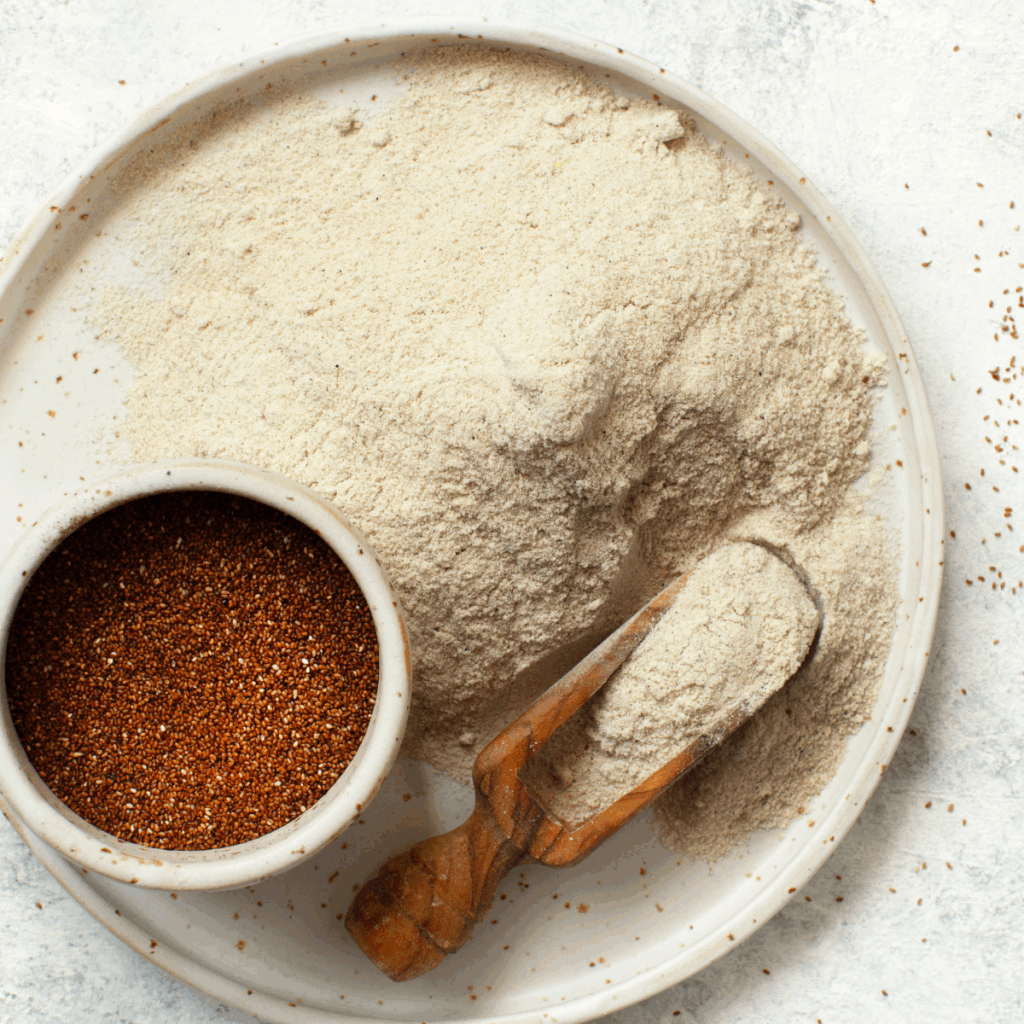
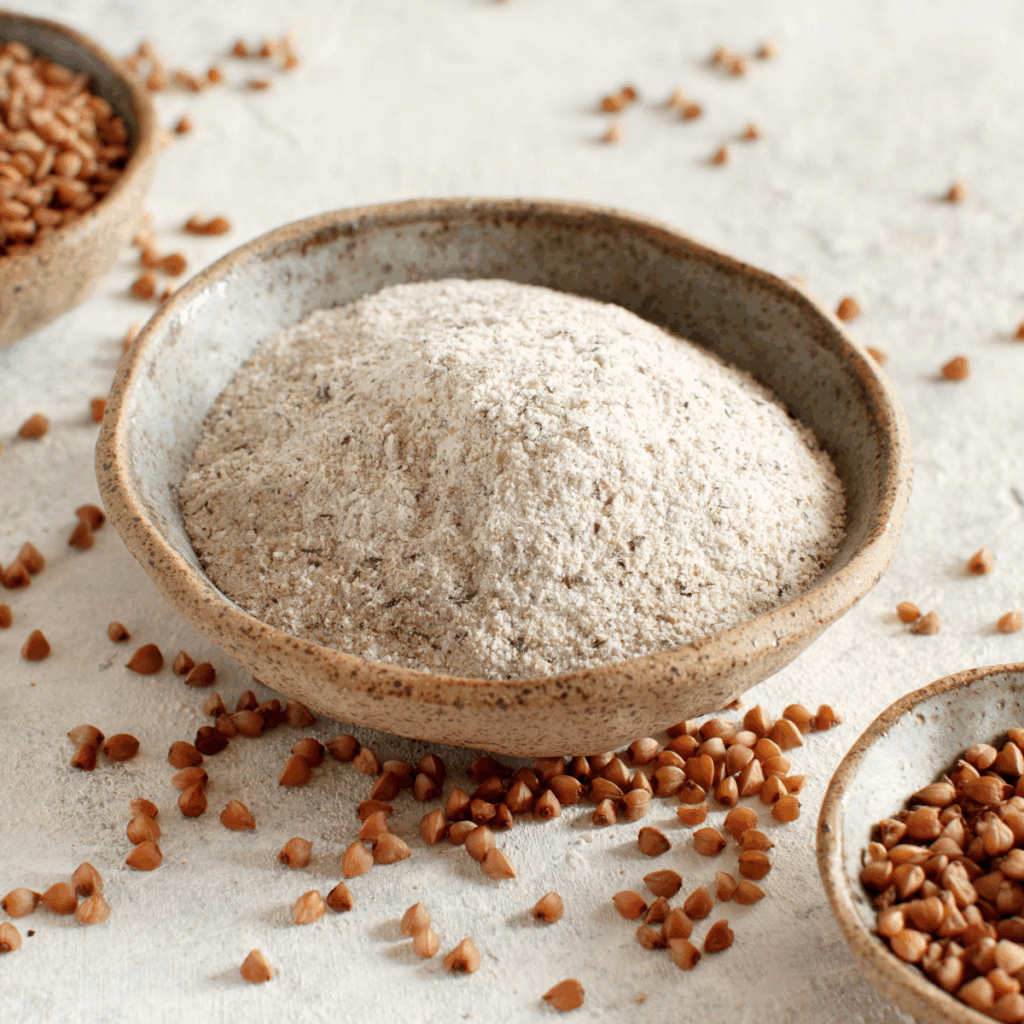
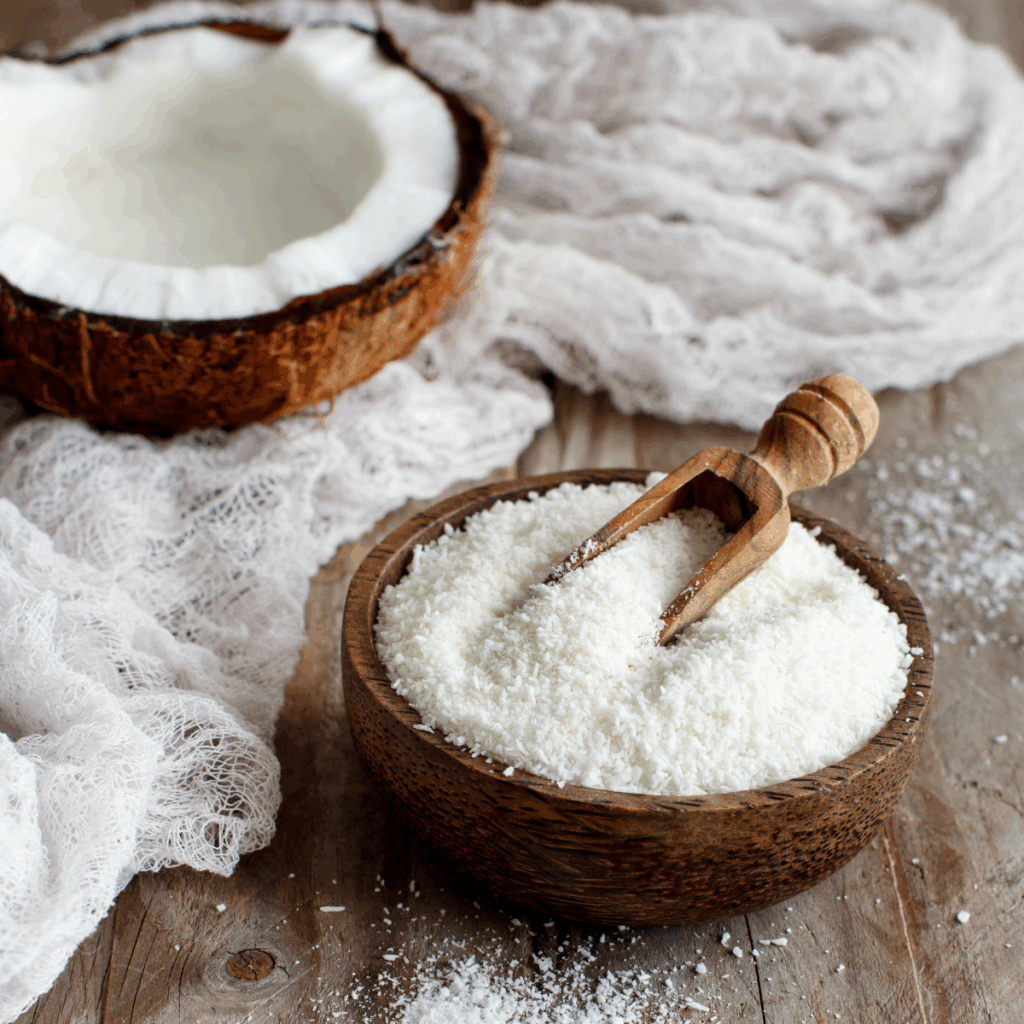
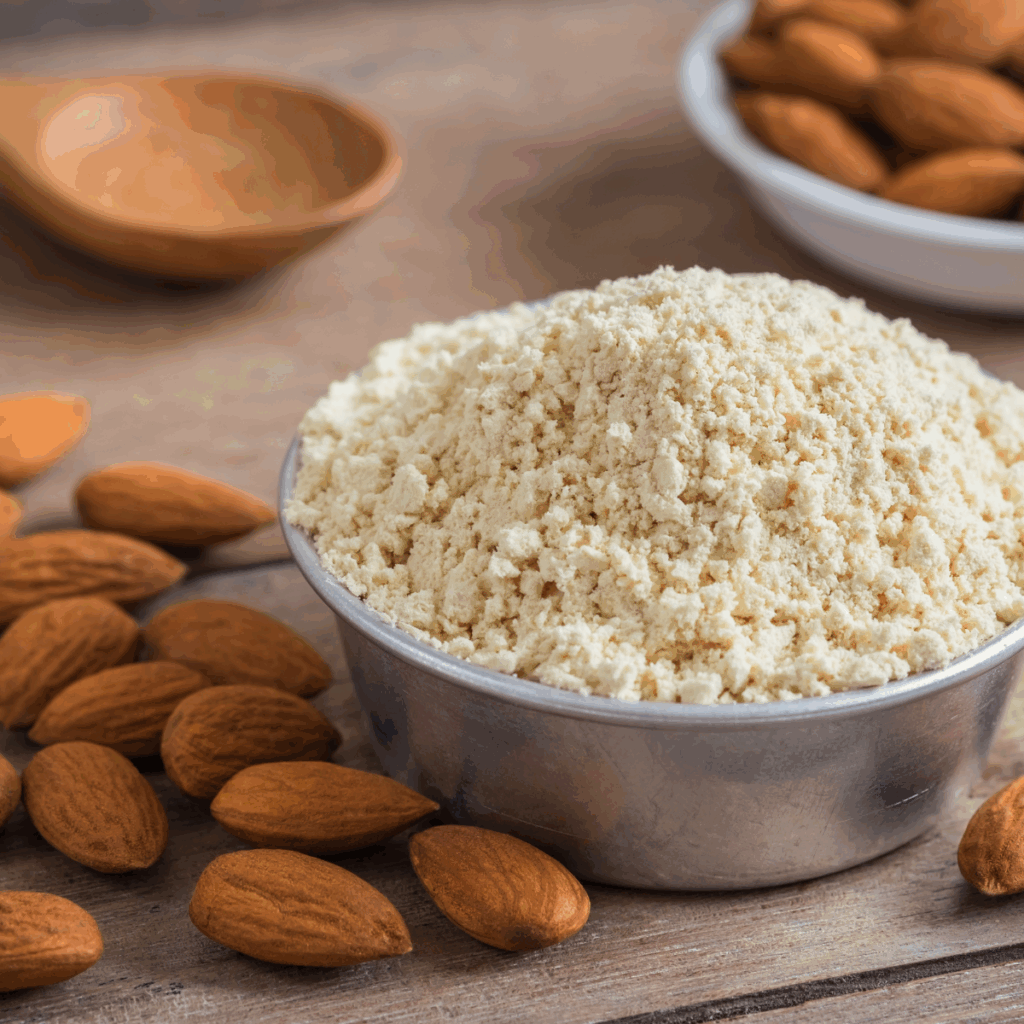
Almond flour contributes richness and a soft texture. Coconut flour is valued for its high fibre content and exceptional water absorption. Toasted buckwheat flour delivers a distinctive roasted flavour, while teff flour provides a naturally nutrient-rich profile. Chia flour and flaxseed powder can support binding and moisture retention, whereas stabilized millet flour offers improved processing stability and shelf-life consistency.
Understanding these differences allows manufacturers to choose ingredients based on formulation goals rather than simply replacing traditional flour with an alternative.
Functionality Starts Before Production
Successful formulations begin with ingredient selection. The functional behaviour of a specialty flour affects every stage of product development, from mixing and hydration to baking, extrusion or further processing.
Properties such as particle size, water absorption, oil binding, flavour intensity and colour all influence the performance of the final product. Even small differences between flour types can significantly affect texture, processing efficiency and product consistency.
For this reason, R&D and procurement teams increasingly evaluate specialty flours not only for their nutritional value but also for the technical performance they bring to commercial production.
Choosing Specialty Flours Begins with the Formulation
Selecting specialty flours should always start with the formulation objective. Every product presents different technical challenges. Therefore, ingredient selection should support the desired processing behaviour as well as the final product characteristics.
For example, one formulation may require better water absorption. Another may focus on improving texture or extending freshness. In other cases, flavour, colour or nutritional positioning become the main priorities. Because every flour behaves differently, the same ingredient rarely performs equally well in every application.
Successful product development begins by defining the technical requirements. Only then can manufacturers identify the flour that delivers the expected functionality.
Consistency Is Just as Important as Functionality
Finding the right flour is only the first step. Maintaining consistent quality over time is equally important.
Even small differences between production batches can affect hydration, dough behaviour or processing stability. As a result, manufacturers may experience unnecessary formulation adjustments, production downtime or inconsistent product quality.
Reliable suppliers help minimise these risks. They provide stable specifications, verified quality systems and transparent documentation. Consequently, manufacturers gain greater confidence when scaling production and launching new products.
Specialty Flours Support Product Innovation
Innovation rarely starts with a finished product. Instead, it begins with ingredient selection.
Today, manufacturers use specialty flours to create products with unique nutritional profiles, distinctive textures and differentiated sensory characteristics. At the same time, these ingredients help brands respond to changing consumer expectations without compromising production efficiency.
As the food industry continues to evolve, specialty flours are becoming strategic formulation tools rather than simple alternatives to conventional flour. Manufacturers who understand their functional potential gain greater flexibility when developing the next generation of food products.
Innovation Begins with the Right Flour
Today, manufacturers are expected to launch products faster than ever. At the same time, they must maintain consistent quality and respond to changing consumer expectations.
Therefore, ingredient selection has become a critical part of product development. Specialty flours allow R&D teams to improve texture, enhance nutritional value and create products with unique sensory characteristics. In addition, they offer greater flexibility when developing formulations for different market segments.
However, innovation is rarely achieved by using more ingredients. Instead, it comes from selecting the right ingredients at the right stage of formulation. Choosing the appropriate specialty flour can reduce development time, simplify processing and improve product consistency from the very beginning.
Reliable Specialty Flour Sourcing Creates Long-Term Value
Selecting a specialty flour is only one part of the sourcing process. Equally important, manufacturers need confidence that every delivery will meet the same quality standards.
Because specialty flours influence processing behaviour, even minor variations between batches can affect the finished product. Consequently, consistent specifications, verified suppliers and transparent quality documentation become essential for long-term production.
Moreover, reliable sourcing supports both procurement and R&D teams. Procurement specialists benefit from stable supply and lower operational risk. Meanwhile, product developers gain confidence that their formulations will perform consistently throughout commercial production.
Ultimately, successful sourcing is not only about purchasing ingredients. It is about building long-term partnerships that support innovation, product quality and sustainable business growth.
Summary
Specialty flours have evolved far beyond their traditional role as alternatives to wheat flour. Today, they help manufacturers improve functionality, optimise processing and develop products with distinctive nutritional and sensory characteristics.
Moreover, every specialty flour offers different technological advantages. Water absorption, texture, flavour, colour and processing behaviour all influence formulation performance. Therefore, selecting the right flour should always begin with the technical requirements of the product rather than the ingredient itself.
Ultimately, successful product development depends on choosing ingredients that deliver consistent performance. Reliable sourcing, verified quality and application-focused expertise help manufacturers reduce formulation risks and bring innovative products to market with greater confidence.
FAQ
What are specialty flours?
Specialty flours are ingredients produced from alternative raw materials such as almonds, coconut, chia, teff or buckwheat. Unlike conventional wheat flour, they are often selected for their functional, nutritional or sensory properties.
Why are specialty flours important in food manufacturing?
Today, manufacturers use specialty flours to improve texture, nutritional value and processing performance. In addition, these ingredients help create products that stand out in competitive food markets.
Are specialty flours only used in gluten-free products?
No. Although many specialty flours are naturally gluten-free, their applications extend well beyond gluten-free formulations. For example, manufacturers use them to enhance flavour, improve texture and support product innovation.
How do manufacturers choose the right specialty flour?
First, manufacturers define the formulation objective. Next, they evaluate functional properties such as water absorption, texture and flavour. Finally, they select the flour that best supports the desired product performance.
Do all specialty flours provide the same functionality?
No. Instead, every flour offers different technological characteristics. For example, coconut flour absorbs large amounts of water, while toasted buckwheat flour contributes a distinctive flavour profile.
Which industries use specialty flours?
Specialty flours are widely used in bakery, snacks, breakfast products, plant-based foods, nutritional products and functional food applications. Furthermore, they support innovation across many other food categories.
Why is batch consistency important?
Consistent quality helps manufacturers maintain stable production. As a result, product performance remains predictable, and formulation adjustments become less frequent.
What should manufacturers expect from a specialty flour supplier?
Manufacturers should look for suppliers that provide consistent product quality, transparent documentation and reliable sourcing. Moreover, technical knowledge and quality assurance are essential for long-term partnerships.
Can specialty flours improve product innovation?
Yes. Because every specialty flour offers unique functional properties, manufacturers can create products with differentiated textures, flavours and nutritional profiles.
Why does sourcing matter as much as ingredient selection?
Selecting the right ingredient is only the first step. Ultimately, consistent sourcing ensures that every batch performs as expected and supports reliable commercial production.
Source: