A few years ago, food ingredient sourcing was often relatively straightforward. Manufacturers focused on securing reliable supply for individual raw materials and evaluated suppliers primarily on price, availability and consistency.
Today, the picture is very different.
Food manufacturers face growing pressure to improve nutritional profiles, simplify labels, support product innovation and respond faster to changing consumer expectations. As a result, sourcing decisions rarely involve a single ingredient category. Product development increasingly combines proteins, fibres, specialty flours, oils, herbs, spices and other functional ingredients within the same formulation.
This shift is changing the role of ingredient suppliers. Manufacturers are no longer looking only for products. They are looking for sourcing partners capable of supporting multiple ingredient categories, maintaining consistent quality standards and helping reduce supply chain complexity.
Why Food Ingredient Sourcing Is Becoming More Complex
The growing complexity of food formulations is one of the most important changes shaping the ingredient market today.
In the past, many products relied on a relatively small number of core ingredients. Modern formulations often require a combination of nutritional functionality, process stability, sensory performance and clean-label positioning. Even seemingly simple products may depend on several ingredient categories working together.
A bakery manufacturer may need fibre to improve nutritional value, a specialty flour to optimise texture and a plant protein to strengthen product positioning. A snack producer may combine seeds, spices and functional ingredients in a single formulation. Similar trends can be seen across bakery, plant-based foods, ready meals, snacks and nutritional products.
The result is clear. Ingredient portfolios are becoming broader, while sourcing decisions are becoming increasingly interconnected.

How Food Ingredient Sourcing Is Moving Beyond Single Categories
As formulations become more sophisticated, manufacturers are rethinking how they approach sourcing.
Managing multiple suppliers across different ingredient categories creates operational complexity. Each supplier brings separate specifications, documentation standards, quality systems and logistics processes. This can increase both procurement workload and supply chain risk.
For this reason, many manufacturers are moving towards a more integrated sourcing model. Rather than treating proteins, fibres, flours, oils and seasonings as completely separate purchasing categories, they increasingly look for suppliers capable of supporting a broader part of the formulation.
Reducing the number of suppliers is not the objective. Instead, manufacturers aim to simplify supplier management while maintaining flexibility, quality and security of supply.
The Growing Role of Plant Proteins
Few ingredient categories have expanded as quickly as plant proteins over the past decade.
While the initial growth was closely linked to the plant-based movement, the role of proteins today goes far beyond meat alternatives. Manufacturers use plant proteins to increase protein content, improve nutritional profiles and support product differentiation across multiple categories.
Applications now range from bakery products and snacks to ready meals, nutritional products and functional foods.
At the same time, sourcing considerations have become more complex. Protein concentration, flavour profile, colour, solubility and processing performance can vary significantly between origins and production technologies. As a result, manufacturers increasingly evaluate proteins not only as nutritional ingredients, but also as functional components that directly influence product performance.
Why Food Fibers Are Moving Beyond Nutrition Claims
Food fibers were once associated primarily with digestive health and nutritional claims. Today, they play a much broader role in product development.
Depending on the source and processing method, fibers can contribute to water management, texture improvement, viscosity control and formulation stability. In some applications, they also help manufacturers reduce the use of other functional ingredients while maintaining product quality.
This makes fibers relevant across a wide range of categories, including bakery, plant-based products, sauces, ready meals and snacks.
As consumer demand for cleaner labels continues to grow, fibers are increasingly viewed as multifunctional ingredients rather than simple nutritional additions.
Specialty Flours Are No Longer a Niche Category
The definition of flour has changed considerably in recent years.
Traditional wheat flour remains a cornerstone ingredient in many applications, but manufacturers increasingly work with alternative and specialty flours to achieve specific nutritional, sensory or functional objectives.
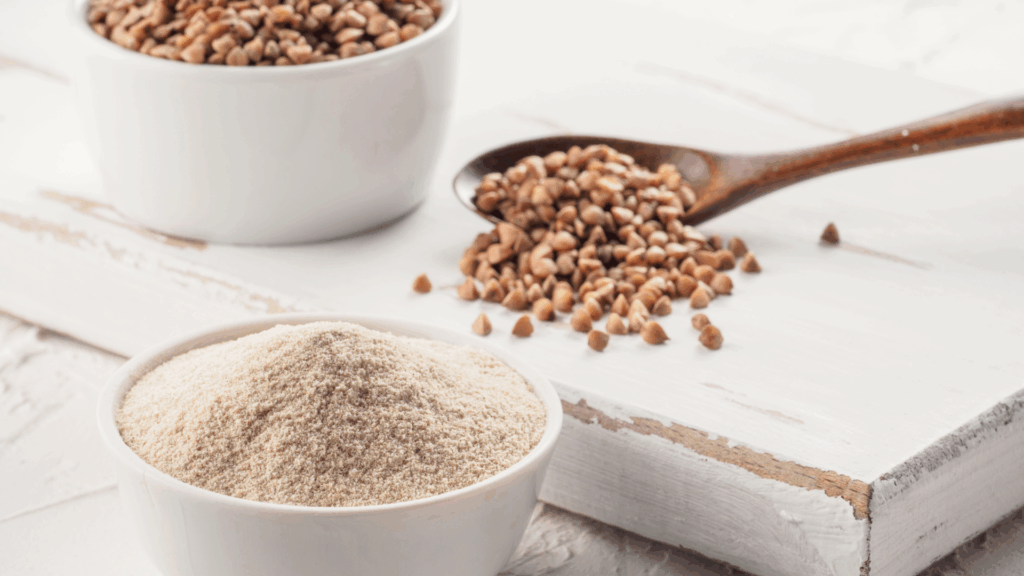
Pulse-based flours, pseudocereal flours and other specialty formats allow developers to modify texture, improve protein or fiber content and create products that better align with modern consumer preferences.
This trend is particularly visible in bakery, snacks, coatings, plant-based products and gluten-free applications.
For sourcing teams, specialty flours introduce additional considerations around particle size, processing consistency, colour and functional performance. As a result, supplier selection often becomes as important as the ingredient itself.

Oils, Herbs and Spices: Small Ingredients, Big Impact
Not every ingredient drives a formulation through volume.
Oils, herbs and spices are often used at relatively low inclusion rates, yet they can have a significant influence on flavour, aroma, appearance and product positioning.
Cold pressed oils continue to attract interest from manufacturers seeking natural processing methods and premium positioning. At the same time, herbs and spices remain essential tools for flavour development and product differentiation across global food markets.
Because these ingredients are highly sensitive to origin, harvest conditions and processing methods, consistency becomes a critical sourcing factor. Small variations can create noticeable differences in finished products, particularly when brands aim to maintain a stable sensory profile across multiple production batches.
What Food Manufacturers Expect from Food Ingredient Sourcing Partners
The evolution of food formulations is changing not only products, but also supplier expectations.
A decade ago, procurement teams often sourced individual ingredients from separate specialist suppliers. One supplier provided pulses, another oils, another seasonings, and another functional ingredients. While this model still exists, it can become increasingly difficult to manage as formulations grow more complex.
Each supplier introduces separate documentation requirements, specifications, quality systems, audits and logistics processes. As the number of ingredient categories increases, so does the operational workload associated with managing them.
For many manufacturers, the challenge is no longer simply securing supply. It is securing supply while maintaining consistency, reducing complexity and keeping development projects moving efficiently.
This is one reason why supplier consolidation has become a visible trend across the food industry.
Manufacturers increasingly prefer sourcing partners capable of supporting multiple ingredient categories under a single quality framework. The objective is not to reduce supplier diversity at any cost. The objective is to simplify communication, improve transparency and reduce supply chain friction wherever possible.
Quality assurance plays an equally important role.
As ingredient portfolios expand, buyers need confidence that suppliers can manage documentation, specifications, certificates of analysis, traceability requirements and regulatory expectations across different product categories. A supplier that can support proteins, fibres, specialty flours, oils, herbs and spices under consistent quality standards creates a different level of operational value than a supplier focused on only one category.
At the same time, sourcing remains global.
Manufacturers increasingly combine ingredients originating from Europe, North America, South America, Asia and the Middle East within the same product portfolio. This makes supplier verification, origin assessment and risk management more important than ever.
The role of a sourcing partner is therefore changing. Beyond supplying ingredients, manufacturers increasingly expect market knowledge, supplier verification, quality oversight and supply chain visibility.

Beyond Pulses and Seeds
The food ingredient market will continue to evolve.
New product launches, nutritional trends, clean-label requirements and changing consumer expectations will keep creating demand for new ingredient categories. What was once considered a niche ingredient can quickly become part of mainstream product development.
For sourcing organisations, adapting to these changes is no longer optional. Ingredient portfolios must evolve alongside customer needs and industry trends.
At Seedea, this evolution has expanded our focus beyond traditional categories such as pulses, seeds and pseudocereals. Today, our portfolio also includes plant proteins, food fibers, specialty flours, cold pressed oils, herbs and spices.
The goal, however, remains unchanged.
To help food manufacturers source reliable ingredients through verified supply chains, consistent quality standards and long-term sourcing partnerships.
Summary
Food ingredient sourcing is becoming more complex, but it is also becoming more interconnected.
For many manufacturers, food ingredient sourcing is no longer only about securing supply. It is about building efficient, reliable and scalable sourcing strategies across multiple ingredient categories.
Modern food products increasingly combine proteins, fibers, specialty flours, oils, herbs and spices alongside more traditional ingredient categories. As a result, manufacturers are looking for sourcing partners capable of supporting broader formulation needs while maintaining quality, transparency and supply security.
The future of ingredient sourcing is unlikely to be defined by a single ingredient category. It will be defined by the ability to combine multiple categories into efficient, reliable and scalable supply chains.
FAQ
What is food ingredient sourcing?
Food ingredient sourcing is the process of identifying, evaluating and securing ingredients required for food production. It includes supplier verification, quality management, documentation, logistics and long-term supply planning.
Why is food ingredient sourcing becoming more complex?
Modern food products often combine multiple ingredient categories, including proteins, fibers, specialty flours, oils, herbs and spices. This increases the number of sourcing decisions, quality requirements and supplier relationships manufacturers must manage.
Why are food manufacturers expanding beyond traditional ingredients?
Consumer demand for better nutrition, clean-label products, plant-based solutions and product innovation is driving manufacturers to explore new ingredient categories that support both functionality and market positioning.
What are plant proteins used for in food manufacturing?
Plant proteins are used to increase protein content, improve nutritional profiles and support product development across bakery, snacks, ready meals, plant-based foods and nutritional products.
Why are food fibers important in modern formulations?
Food fibers can contribute to nutritional value, water management, texture improvement and formulation stability. Depending on the source, they may also support clean-label product development.
What are specialty flours?
Specialty flours are non-traditional flour ingredients used to provide specific nutritional, sensory or functional benefits. Examples include pulse flours, pseudocereal flours and other alternative flour formats.
Why are cold pressed oils becoming more popular?
Cold pressed oils are often associated with minimal processing and premium positioning. They are used in food applications where flavour, nutritional value and ingredient perception are important.
What role do herbs and spices play in food manufacturing?
Herbs and spices contribute flavour, aroma, colour and product differentiation. Their quality and consistency can significantly influence the sensory profile of finished products.
Why are manufacturers working with fewer ingredient suppliers?
Many food manufacturers are looking to reduce operational complexity. Working with sourcing partners that support multiple ingredient categories can simplify communication, quality management and supply chain coordination.
What should manufacturers look for in a food ingredient supplier?
Key considerations include product quality, supplier verification, documentation standards, traceability, consistency, market knowledge and the ability to support long-term sourcing strategies across multiple ingredient categories.
Source: