Consumers increasingly expect food products that combine quality, authenticity and simple ingredient lists. Therefore, manufacturers are looking beyond traditional edible oils. They need ingredients that support both product performance and market differentiation.
Cold pressed oils have become an important part of this shift. Unlike highly refined oils, they retain more of their natural characteristics. These include flavour, colour and valuable bioactive compounds. As a result, they offer manufacturers new opportunities to create distinctive products.
However, choosing the right oil is not simply a nutritional decision. It is a formulation decision. The best cold pressed oil is the one that delivers the functionality, consistency and product positioning your application requires.
Why Cold Pressed Oils Are Becoming Strategic Ingredients
Today, cold pressed oils are used for much more than supplying fat. They help manufacturers create products with a stronger market identity. In addition, they support premium positioning and clean label product development.
Consumer expectations continue to evolve. Consequently, manufacturers are selecting ingredients that contribute both functional and sensory value. Natural flavour, authentic colour and ingredient transparency have become important purchasing factors.
For example, pumpkin seed oil offers a distinctive flavour profile. Flaxseed oil is often selected for nutritional applications. Black cumin oil supports premium concepts, while sunflower oil provides versatility across many formulations. Therefore, the choice of oil should always reflect the product objective rather than current market trends.
Related article: Specialty Flours: More Than an Alternative to Wheat Flour
Functional Properties Go Beyond Nutrition
Nutritional value is only one part of the equation. Instead, product developers also evaluate how an oil performs during processing and in the finished product.
Moreover, cold pressed oils influence flavour, mouthfeel and visual appearance. They can improve product authenticity and create a more natural consumer experience. As a result, they become valuable tools for product differentiation rather than simple recipe components.
Oxidative stability is another important consideration. Therefore, manufacturers assess the technical properties of each oil before making sourcing decisions. Selecting the right ingredient early in development helps reduce reformulation work later in the process.

Different Oils Support Different Product Strategies
There is no universal cold pressed oil. Instead, every oil contributes different functional and sensory characteristics.
For example, hemp oil may support plant-based product concepts. Milk thistle oil can strengthen premium positioning. Safflower oil offers versatility across multiple applications, while pumpkin seed oil helps create distinctive flavour profiles. Likewise, flaxseed oil and black cumin oil allow manufacturers to develop products with unique market positioning.
Finally, ingredient selection should always begin with the formulation objective. The right oil is not necessarily the most popular one. It is the oil that best supports product performance, consistency and consumer expectations.
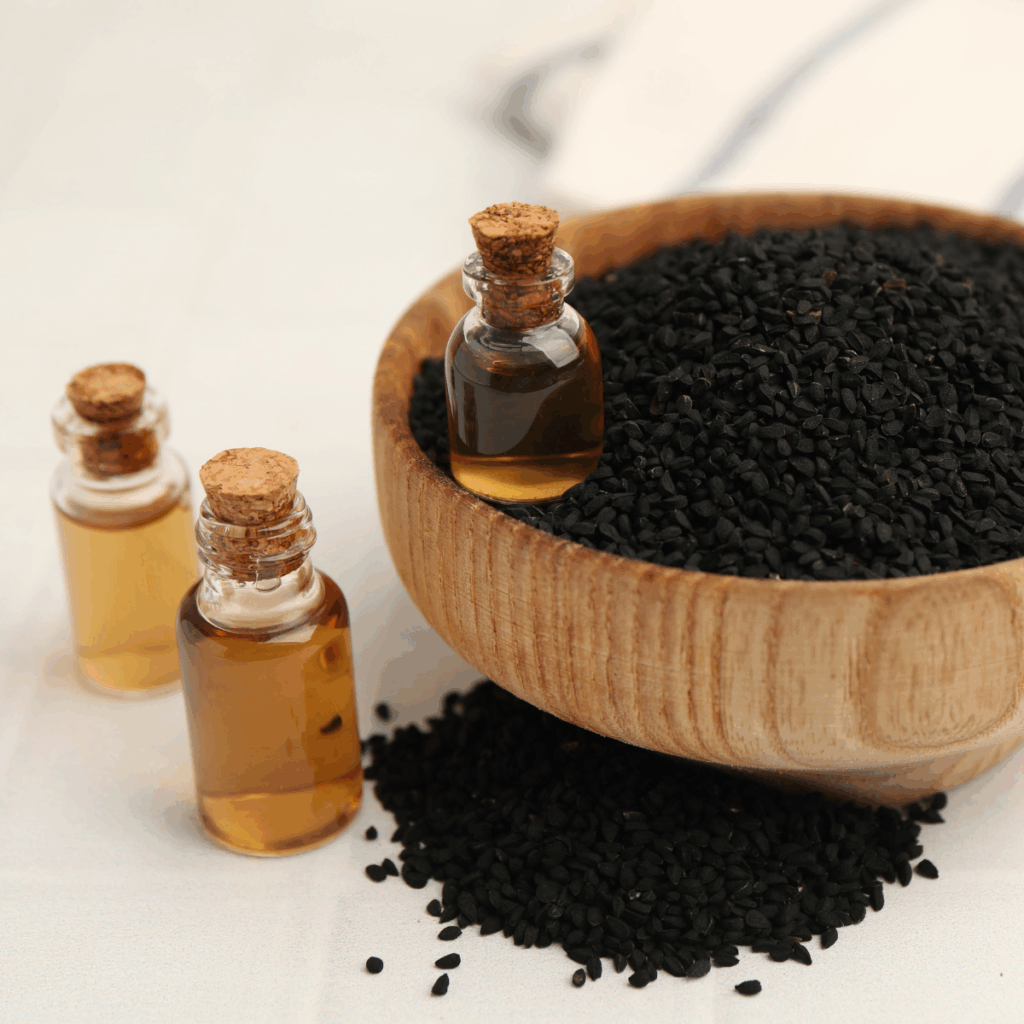
Choosing the Right Oil Starts with the Product Concept
First, manufacturers should define the purpose of the oil in the formulation. Every product has different technical and commercial objectives. Therefore, ingredient selection should always support those goals.
Some products require a distinctive flavour profile. Others focus on clean label positioning or nutritional value. In addition, texture, colour and consumer perception often influence the final decision. A single oil rarely meets every requirement.
For this reason, successful product development starts with the application rather than the ingredient. Manufacturers first identify the desired product characteristics. Then, they select the oil that delivers the expected functionality.
Quality Cannot Be Standardised at the End of Production
However, product quality is not created during packaging. It begins much earlier, with raw material selection and supplier verification.
Cold pressed oils can vary in colour, flavour and composition. Consequently, inconsistent raw materials may affect the appearance, taste or stability of the finished product. Even small variations can create unnecessary challenges during commercial production.
Moreover, manufacturers increasingly expect consistent specifications, traceable supply chains and complete technical documentation. Reliable quality systems reduce operational risk and simplify long-term production planning.
Premium Ingredients Create Premium Products
Today, consumers are paying closer attention to ingredient quality than ever before. They expect authentic products made with recognisable and natural ingredients. As a result, manufacturers are investing in premium raw materials that support product differentiation.
Cold pressed oils fit naturally into this strategy. For example, they help brands communicate authenticity, natural processing and ingredient transparency. These values are becoming increasingly important across premium and health-focused food categories.
Ultimately, premium products begin with premium ingredients. Selecting the right cold pressed oil is not only a formulation decision. It is also a strategic investment in product quality, brand perception and long-term market success.

Reliable Sourcing Creates Long-Term Value
Choosing the right cold pressed oil is only the beginning. Maintaining consistent quality throughout the supply chain is equally important.
Furthermore, manufacturers expect every batch to deliver the same sensory and functional properties. Differences in flavour, colour or composition can affect product quality and require costly formulation adjustments. Therefore, supplier verification has become an essential part of ingredient sourcing.
In addition, reliable suppliers provide more than raw materials. They offer technical documentation, transparent sourcing and consistent quality standards. These factors help manufacturers reduce risk and improve production efficiency.
Ultimately, long-term partnerships create long-term value. Stable supply chains allow manufacturers to focus on innovation instead of solving supply issues.
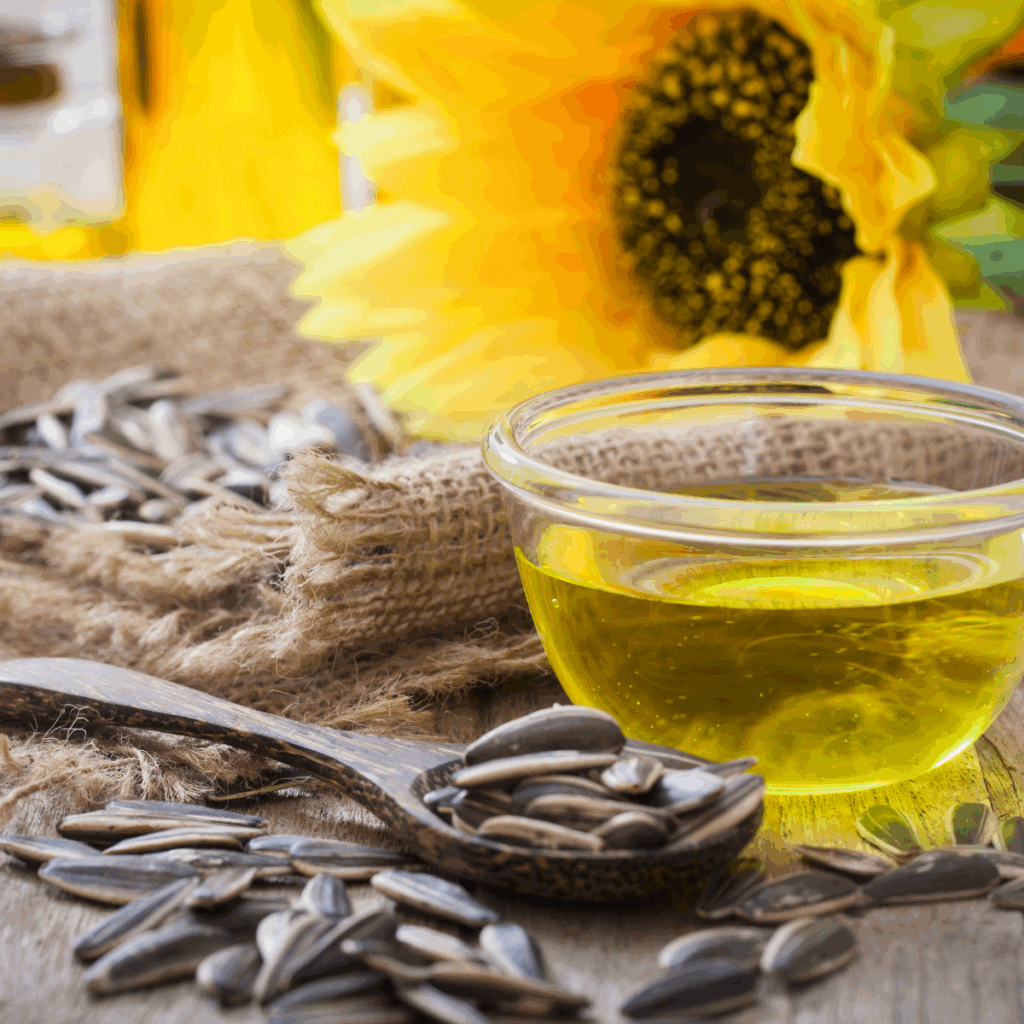
Cold Pressed Oils Continue to Expand Their Role
Today, cold pressed oils are no longer niche ingredients. They have become an important part of modern product development across many food categories.
Moreover, manufacturers are using these oils to improve flavour, strengthen product positioning and respond to changing consumer expectations. Every formulation has different goals. Therefore, ingredient selection should always support the intended product concept.
Finally, there is no universal cold pressed oil for every application. Each oil offers different functional and sensory characteristics. Selecting the right ingredient means balancing product performance, quality, consistency and sourcing reliability from the very beginning of the development process.
Summary
Cold pressed oils have become much more than a source of fat. Today, they help manufacturers improve product quality, strengthen market positioning and develop formulations with distinctive sensory characteristics.
Moreover, every oil offers different functional properties. Flavour, colour, oxidative stability and ingredient quality all influence the performance of the finished product. Therefore, selecting the right oil should always begin with the formulation objective rather than the ingredient alone.
Ultimately, successful product development depends on consistent ingredients and reliable sourcing. Manufacturers that choose the right cold pressed oils gain greater flexibility, improve product consistency and create food products that meet both technical and consumer expectations.
FAQ
What are cold pressed oils?
Cold pressed oils are vegetable oils extracted without high-temperature refining. As a result, they retain more of their natural flavour, colour and characteristic compounds than highly refined oils.
Why are cold pressed oils used in food manufacturing?
Today, manufacturers use cold pressed oils to improve flavour, support premium positioning and create products with more natural ingredient profiles. In addition, these oils contribute to product differentiation.
Are cold pressed oils only used in premium products?
No. Instead, they are used across many food categories. Manufacturers select them whenever flavour, authenticity or ingredient quality plays an important role.
Do all cold pressed oils have the same properties?
No. For example, flaxseed oil, pumpkin seed oil and black cumin oil each offer different sensory and functional characteristics. Therefore, every oil should be selected according to the formulation objective.
How do manufacturers choose the right cold pressed oil?
First, manufacturers define the product requirements. Next, they evaluate flavour, functionality, stability and product positioning. Finally, they select the oil that best supports the intended application.
Why is consistency important when sourcing cold pressed oils?
Consistent quality helps maintain stable production and predictable product performance. Consequently, manufacturers spend less time on reformulation and quality corrections.
What should manufacturers expect from a cold pressed oil supplier?
Moreover, suppliers should provide consistent product quality, transparent sourcing, technical documentation and reliable supply continuity. These factors help reduce sourcing risks and support long-term partnerships.
Which industries use cold pressed oils?
Cold pressed oils are used in sauces, dressings, bakery products, snacks, plant-based foods, nutritional products and many premium food applications. Furthermore, they support product innovation across numerous food categories.
Can cold pressed oils support clean label products?
Yes. Because they undergo minimal processing, cold pressed oils are often selected for formulations that focus on natural ingredient declarations and product authenticity
Why does sourcing matter as much as the ingredient itself?
Ultimately, even the best ingredient cannot deliver consistent results without reliable sourcing. Stable supply, verified quality and technical support are essential for successful food production.
Source: