In our previous article, we explored how food ingredient sourcing is expanding beyond traditional categories such as pulses and seeds. One ingredient group perfectly illustrates this shift: herbs and spices.
For many food manufacturers, herbs and spices are no longer viewed as simple flavouring components. Today, they play an important role in product positioning, visual appeal, formulation consistency and clean-label development. Whether used in soups, ready meals, meat alternatives or seasoning blends, they have become strategic ingredients rather than secondary additions.
This change is also influencing sourcing decisions. Buyers increasingly evaluate herbs and spices using the same criteria applied to other food ingredients: quality consistency, traceability, microbiological standards and supply reliability. As a result, sourcing teams are placing greater emphasis on supplier verification and long-term partnerships across the herbs and spices category.
Why Herbs and Spices Are Becoming Strategic Ingredients
Several trends are driving the growing importance of herbs and spices in food manufacturing.
Consumers continue to favour products with recognisable ingredient lists and natural flavour profiles. At the same time, manufacturers are under pressure to differentiate products while maintaining consistency across production batches. Herbs and spices help achieve both objectives, providing flavour, appearance and product identity without relying solely on artificial flavour systems.
The trend is particularly visible in convenience categories such as soups and broths, ready meals, sauces, marinades and snacks. In these applications, herbs and spices contribute not only to taste but also to the overall perception of product quality.
Related article: Beyond Pulses and Seeds: How Food Ingredient Sourcing Is Changing

Herbs and Spices Across Key Food Applications
The role of herbs and spices varies significantly depending on the application.
In soups and broths, ingredients such as parsley leaves, lovage leaves, dill tips, onion powder and garlic powder help create a familiar and consistent flavour profile. For ready meals, thyme leaves, savory rubbed, parsley leaves and garlic powder are frequently used to support both flavour and visual appearance.
The importance of herbs and spices is also growing in meat alternatives. As manufacturers continue to work with plant proteins, ingredients such as thyme, savory, garlic powder and onion powder are often used to build more balanced flavour profiles and support product acceptance. Similar trends can be observed in coatings and breadings, seasoning blends, sauces, marinades and snack applications, where consistency and sensory performance remain critical.
Dried Herbs Remain Essential Across Multiple Food Categories
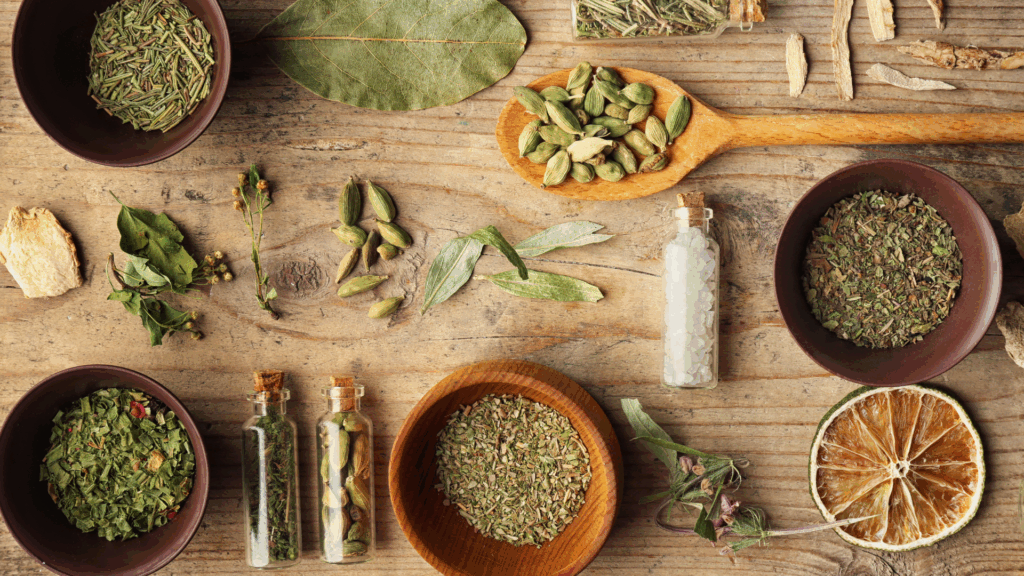
Despite the growing focus on functional ingredients, dried herbs continue to play a fundamental role in food manufacturing. Their value goes far beyond flavour alone. They contribute to product appearance, support recipe consistency and help create recognisable sensory profiles across different product categories.
Parsley leaves remain one of the most widely used herbs in soups, broths, ready meals and seasoning blends. Their popularity comes from versatility, mild flavour and strong visual contribution. In many formulations, parsley is expected not only to deliver taste but also to provide a familiar appearance that consumers immediately recognise.
Other herbs serve more specific functions. Dill tips are commonly used in soups, sauces and seasoning systems where a fresh herbal note is required. Lovage leaves remain particularly important in broth applications, while thyme leaves and savory rubbed are frequently used in savoury products, marinades and ready meal formulations.
Chives cuts and coriander leaves complete the picture by offering additional flavour dimensions that help manufacturers differentiate products without significantly increasing formulation complexity.

Spice Ingredients Supporting Consistency and Product Identity
While herbs often contribute visual appeal and freshness, spice ingredients frequently provide the flavour foundation of a formulation.
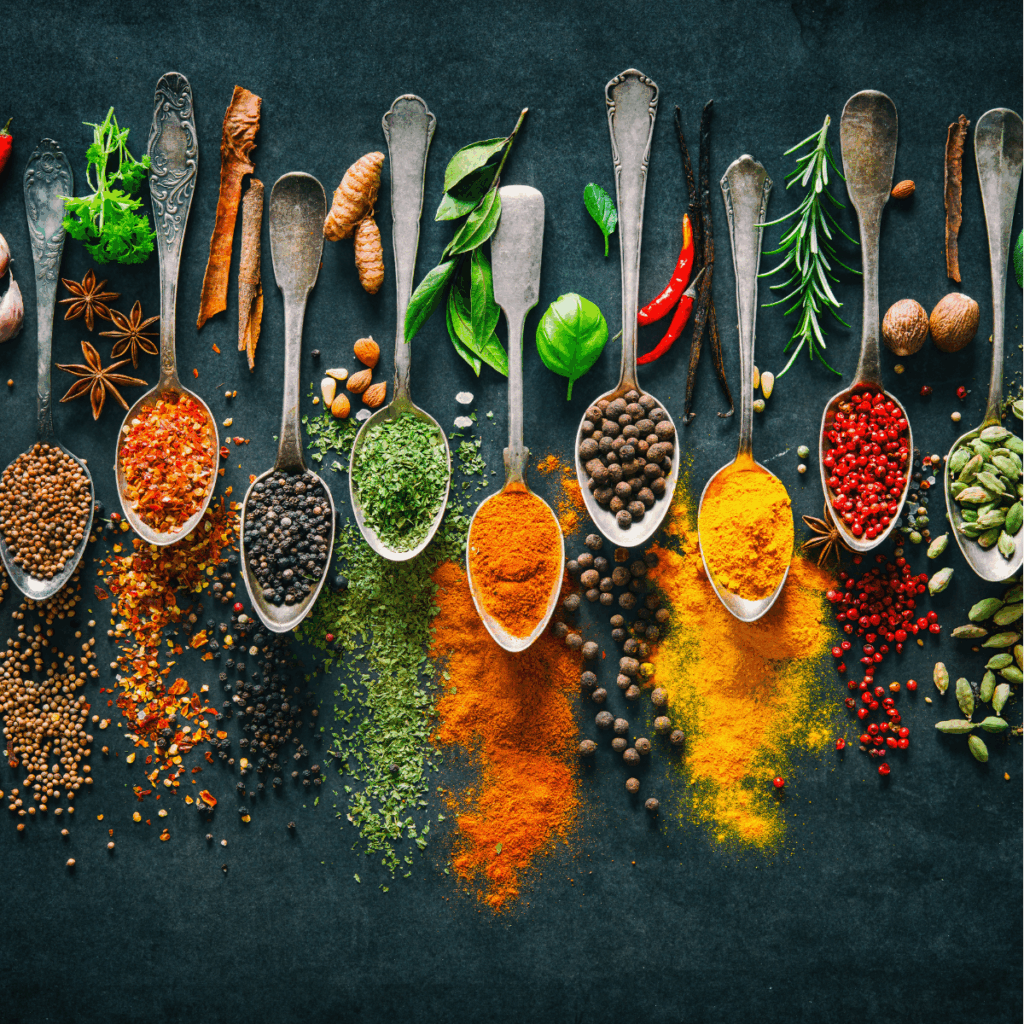
Garlic powder and onion powder remain among the most widely used ingredients across food manufacturing. Their popularity is driven by convenience, process stability and consistency. Compared with fresh raw materials, powdered formats allow manufacturers to achieve predictable flavour performance while simplifying production processes.
Applications range from soups and ready meals to sauces, marinades, coatings and snack seasonings. In many formulations, these ingredients are not simply flavour enhancers. They form part of the product’s core sensory identity.
Seed spices also continue to play an important role. Caraway seeds are widely used in bakery, seasoning blends and regional food products, while coriander seeds contribute to a broad range of savoury applications. Both ingredients remain relevant because they combine distinctive flavour characteristics with strong consumer familiarity.
Quality Requirements Are Higher Than Ever
The herbs and spices market has changed significantly over the last decade.
Today, food manufacturers evaluate herbs and spices using many of the same criteria applied to proteins, fibers and other strategic ingredient categories. Quality is no longer defined solely by flavour or appearance.
Consistency between batches has become increasingly important, particularly for manufacturers operating multiple production sites or supplying international markets. Small differences in colour, cut size, aroma or microbiological parameters can influence finished product performance and create challenges during production.
For this reason, supplier selection increasingly focuses on factors such as traceability, cleaning processes, quality assurance systems and documentation standards. Buyers expect transparency throughout the supply chain and increasingly require suppliers to demonstrate consistent quality management across every delivery.
What Food Manufacturers Expect From Herbs and Spice Suppliers
Sourcing herbs and spices is rarely as simple as purchasing a commodity ingredient.
Unlike highly standardised ingredients, herbs and spices are influenced by harvest conditions, origin, processing methods and storage practices. As a result, maintaining consistency requires much more than securing volume.
For food manufacturers, supply continuity is often the first priority. Production schedules depend on reliable deliveries, particularly when herbs and spices are part of established recipes and product specifications. Replacing an ingredient because of supply shortages is rarely straightforward and can require additional validation work from both procurement and R&D teams.
Quality consistency is equally important. Manufacturers expect stable colour, aroma, cut size and flavour profile across multiple deliveries. In applications such as soups, ready meals, sauces or seasoning blends, even small differences can become noticeable in the finished product.
Documentation standards have also become more demanding. Buyers increasingly require certificates of analysis, traceability information and supplier verification processes that support both regulatory compliance and internal quality systems.
For this reason, sourcing decisions are increasingly based on a combination of quality, reliability and transparency rather than price alone.
Origin Matters More Than Many Buyers Realise
The performance of herbs and spices starts long before processing.
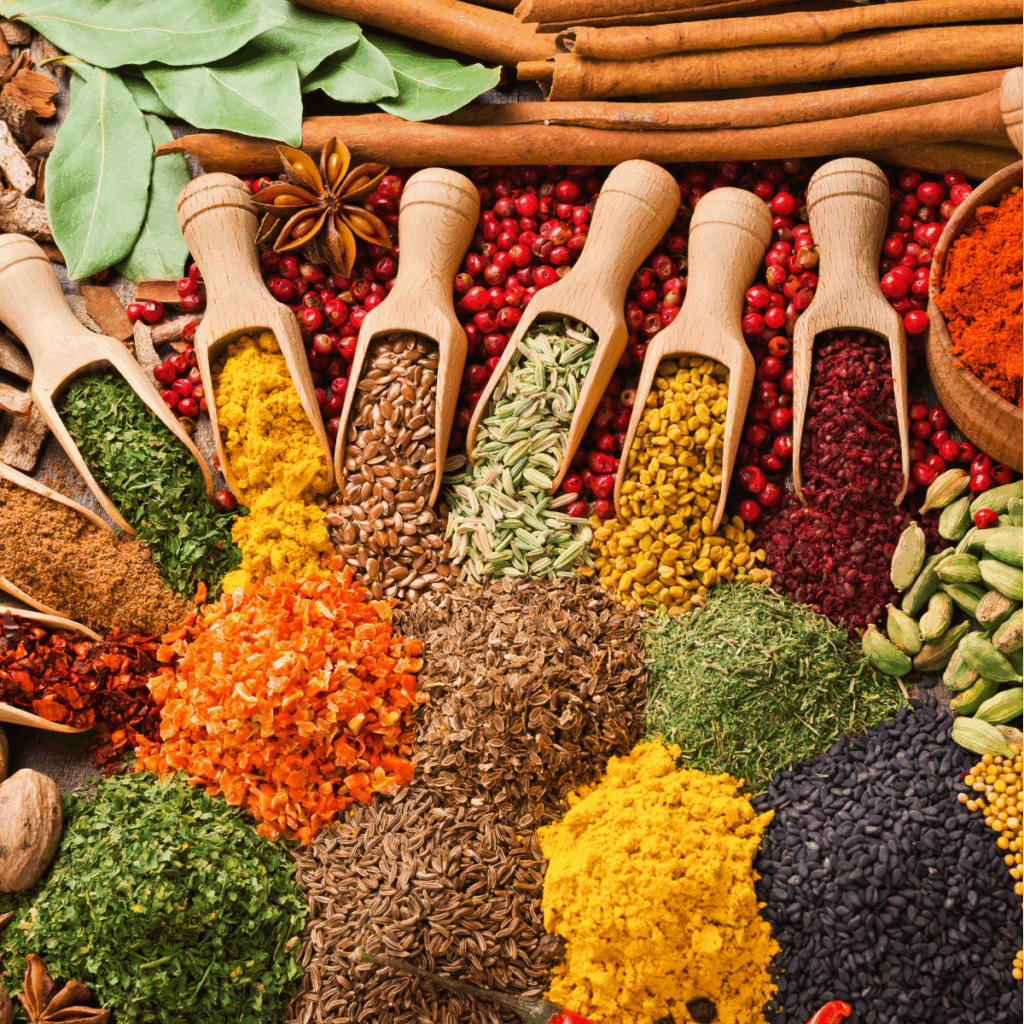
Climate conditions, harvest timing, drying methods and post-harvest handling all influence the final characteristics of an ingredient. Two products carrying the same name may perform differently depending on where and how they were produced.
This is particularly relevant for herbs, where colour retention, aroma preservation and cut consistency are strongly affected by processing practices. Similar considerations apply to spices, where cleaning standards, purity and sensory performance can vary between origins and suppliers.
Understanding these differences helps manufacturers make better sourcing decisions and reduces the risk of unexpected variation in production.
As a result, many buyers increasingly evaluate not only the ingredient itself, but also the supply chain behind it.
Herbs and Spices in Modern Food Supply Chains
The role of herbs and spices in food manufacturing continues to evolve.
What was once considered a supporting ingredient category is now becoming part of broader formulation and sourcing strategies. Manufacturers increasingly rely on herbs and spices to support flavour development, product differentiation and clean-label positioning across multiple food categories.
At the same time, sourcing expectations continue to rise. Consistent quality, reliable supply chains and verified suppliers are becoming essential requirements rather than competitive advantages.
For food manufacturers, herbs and spices are no longer simply a finishing touch. They are strategic ingredients that influence product performance, consumer perception and long-term sourcing decisions.
Summary
Herbs and spices have become much more than flavouring ingredients.
Across soups and broths, ready meals, meat alternatives, coatings, sauces, marinades, snacks and seasoning blends, they contribute to flavour, appearance and product consistency. At the same time, food manufacturers are applying increasingly demanding sourcing standards to this category, focusing on quality consistency, traceability and supply reliability.
As formulations become more complex, herbs and spices are joining proteins, fibers and specialty flours as strategic ingredients that directly influence product performance and consumer perception.
FAQ
What are herbs and spices used for in food manufacturing?
Herbs and spices are used across a wide range of food categories, including soups, broths, ready meals, sauces, marinades, snacks, coatings and seasoning blends. Their role extends beyond flavour to include appearance, product identity and formulation consistency.
Why are herbs and spices becoming more important in food production?
Manufacturers increasingly use herbs and spices to support clean-label development, product differentiation and natural flavour creation. They are also important for maintaining consistent sensory profiles across production batches.
Which herbs are commonly used in food manufacturing?
Some of the most widely used dried herbs include parsley leaves, dill tips, chives cuts, lovage leaves, thyme leaves, savory rubbed and coriander leaves. Their applications vary depending on the product category and desired flavour profile.
Which spices are widely used in industrial food production?
Garlic powder, onion powder, caraway seeds and coriander seeds are among the most common spice ingredients used in soups, ready meals, sauces, marinades, snacks and seasoning systems.
Why is quality consistency important for herbs and spices?
Variations in colour, aroma, cut size or flavour can affect finished product performance. Consistent quality helps manufacturers maintain stable recipes and meet consumer expectations.
What should buyers look for when sourcing herbs and spices?
Key considerations include supplier verification, traceability, microbiological standards, documentation, cleaning processes, quality assurance systems and long-term supply reliability.
How do herbs and spices support clean-label products?
Herbs and spices help manufacturers create flavour and product differentiation using familiar ingredients that consumers easily recognise on ingredient lists.
Why does origin matter for herbs and spices?
Climate conditions, harvest timing, drying methods and post-harvest handling can significantly influence colour, aroma and overall ingredient performance. Different origins may therefore produce different results in the final application.
Are herbs and spices used in meat alternatives?
Yes. Ingredients such as thyme leaves, savory rubbed, garlic powder and onion powder are commonly used in meat alternatives to support flavour development and improve overall sensory performance.
How are herbs and spices different from other food ingredients?
Like proteins, fibers or specialty flours, herbs and spices influence product performance and sourcing decisions. However, they are particularly sensitive to origin, harvest conditions and processing methods, making quality management and supplier selection especially important.
Source: