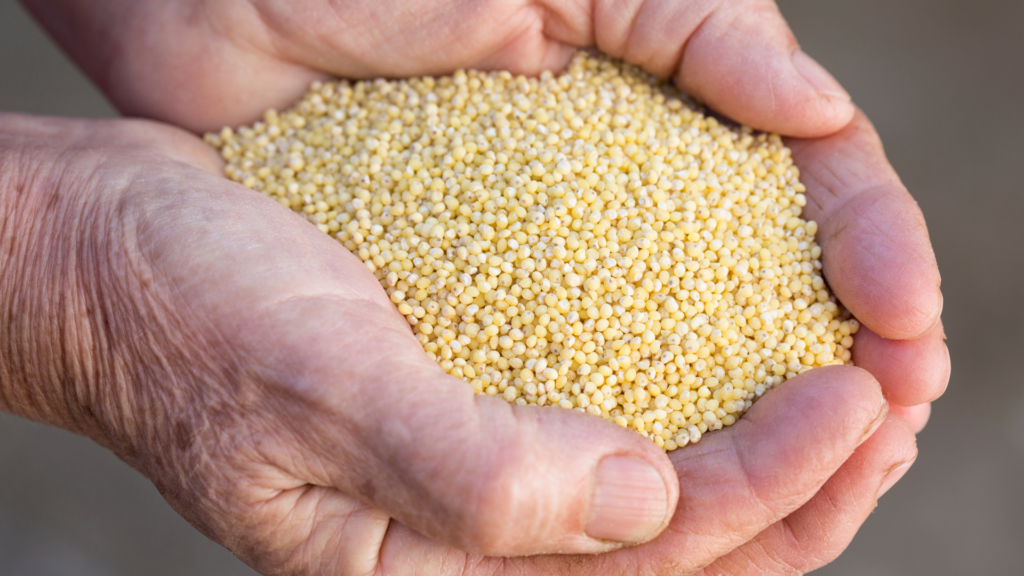
Millet is one of the oldest crops grown by humans, this hardy grain was cultivated long before rice and wheat. For centuries, it has fed people across the dry regions of Africa and Asia, offering important nutrition in tough growing conditions. But even with its long history, it was mostly ignored in Western farming, where bigger-yield grains like wheat and corn took priority.
Fortunately, this ancient grain is now making a powerful return in the global food industry. Resilient, gluten-free, and climate-friendly, millet is winning renewed attention from food producers and health-focused brands alike. In this article, we explore what makes millet so valuable in today’s changing food system.
What is Millet?
Millet is a group of small-seeded grasses belonging to the Poaceae family, cultivated for over 7,000 years in Africa, Asia, and parts of Eastern Europe. Like buckwheat, quinoa or amaranth, it is often categorized as an ancient grain.
Chinese study shows that this cereal was first domesticated in northern China between 7,700 to 8,000 years ago, making it one of the earliest cultivated grains in human history.
From there, this crop spread westward to the Middle East and Europe via trade routes and migratory agriculture. It was introduced to Eastern and Central Europe as early as the Bronze Age (around 3000–2000 BCE), where it became an important food source due to its short growing season and ability to thrive in poor soils.
Historical records show that millet was a staple in medieval Europe, especially in Slavic and Germanic regions, before being gradually displaced by today’s common cereals: wheat and barley.
Today, this grain is experiencing a global revival as a gluten-free, sustainable, and nutrient-dense crop. It is in demand not only among health-conscious consumers but also across food supply chains as an ingredient in traditional dishes in Africa and Asia continents, but also as a functional foods ingredient, and clean-label formulations.
As the world moves toward climate-smart and allergen-friendly diets, millet is becoming a valuable part of both mainstream and specialty food production.
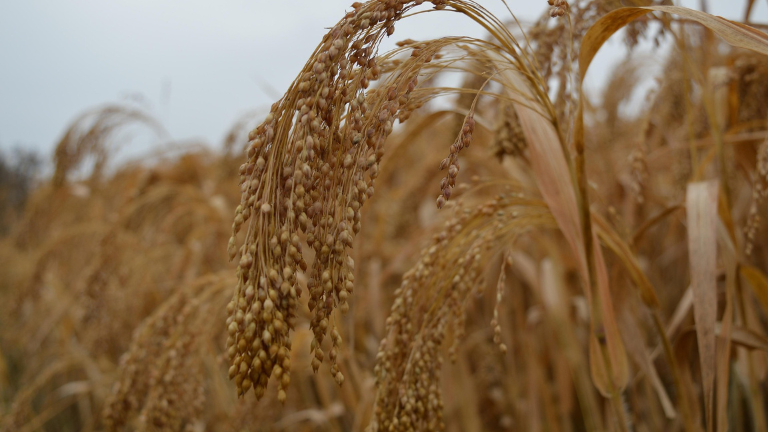
Millet ready to harvest
Millet as a Resilient Pseudocereal
Crops are renowned for their resilience to harsh conditions and marginal soils. They thrive in hot, dry climates (Asia and Africa) and withstand irregular rainfall – an advantage in a warming world with increasing water scarcity. Their deep root systems extract moisture from lower soil layers, ensuring survival where other grains fail.
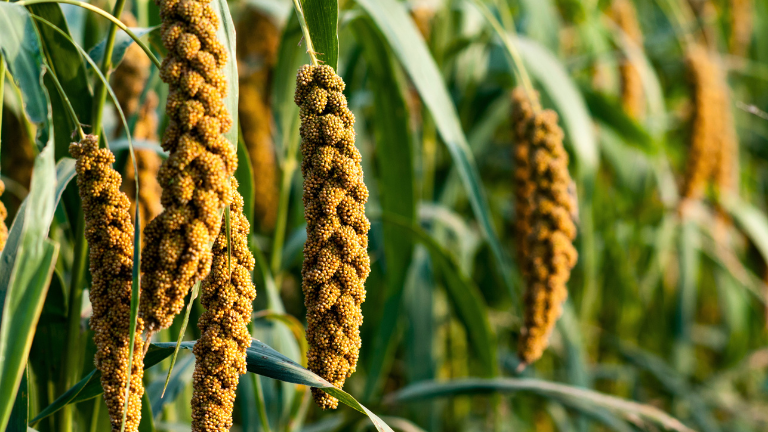
Botanically, this grain refers to several fast-growing cereal grasses in the Poaceae family, characterized by small seeds and upright stalks ranging from 30 cm to over 2 meters, depending on the species. Millet plants have narrow, fibrous leaves and produce compact seed heads.
Millet holds exceptional agronomic and socioeconomic value, especially across sub-Saharan Africa and South Asia, where it is a vital source of food security for millions of smallholder farmers. Their adaptability makes them suitable for both subsistence and commercial agriculture
Countries such as India, Sudan, and Niger rely heavily on millet cultivation, mainly for domestic consumption. Its ability to grow in semi-arid and arid environments positions this grain as a climate-resilient crop ideal for vulnerable farming regions experiencing droughts and soil degradation.
With a short maturation cycle (70–90 days), millet integrates seamlessly into crop rotations and double-cropping systems. Low agrochemical requirements reduce both production costs and environmental impact. Additionally, millet supports biodiversity, pollinators, and regenerative farming systems.
In the context of climate change adaptation, millet’s role is increasingly recognized by international organizations and agricultural policy makers. FAO declared 2023 the International Year of Millets (IYM 2023).
As a staple crop requiring less water and fewer inputs than maize or wheat, millet contributes to sustainable food systems and offers a strategic advantage for regions affected by erratic weather patterns, depleted soils, and volatile markets.
Is Millet Gluten-Free?
This pseudocereal is naturally gluten-free, making it suitable for consumers with celiac disease, gluten intolerance, or those following gluten-free diets.
It’s an effective alternative to wheat, barley, and rye, avoiding the problematic gluten proteins that cause autoimmune and digestive issues.
Although commonly referred to as a grain, it is technically classified as a pseudocereal—a seed from a non-grass plant that is used similarly to true cereals. Like buckwheat and quinoa, millet does not contain gluten proteins such as gliadin or glutenin.
These proteins are absent from its biological makeup, which means millet is inherently safe for gluten-sensitive populations when grown and processed under the right conditions.
However, because millet is often grown and harvested alongside wheat and other gluten-containing grains, it carries a risk of cross-contamination.
This is especially critical when targeting regulated markets such as the European Union or the United States, where gluten-free products must contain less than 20 parts per million (ppm) of gluten to meet legal requirements.
Strict controls and external certifications are essential to prevent cross-contamination. Dedicated cleaning equipment, ensured cleaning processes, and traceability measures are required throughout the supply chain. Certifications like the AOECS Crossed Grain Symbol in Europe ensure compliance with gluten-free standards and offer consumer assurance.
With rising demand for allergen-free foods, it’s gluten-free status offers a significant market advantage for producers. When certified and properly processed in allergen-controlled environments, millet becomes a valuable addition to the portfolios of gluten-free producers, plant-based food manufacturers, and health-focused brands.
Varieties Grown in Europe
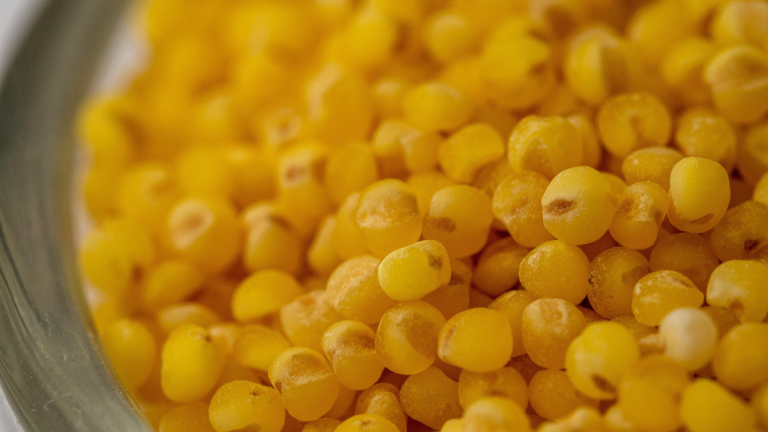
Proso Millet (Panicum miliaceum) is the most commonly cultivated millet variety in Central and Eastern Europe, including Poland. Its mild taste suits baked goods, snacks, and breakfast cereals.
There is also Foxtail variety, but this one is cultivated on limited areas in Europe. Thus, its cultivation are very popular in India.
There are mainly 3 types of the crop: yellow, red and white. Yellow is the most popular type of Millet cultivated in Europe, followed by red and white. It is important to say that each producing country in Europe like Russia, Ukraine or Poland has its own varieties which are registered and widely cultivated within millet farmers.
Millet is sometimes grouped with sorghum (Sorghum bicolor), which, while not technically a millet, shares many agronomic traits and culinary uses. Sorghum is a larger-seeded cereal from the same Panicoideae subfamily and is often cultivated in sub-Saharan Africa for porridges, flatbreads, and fermented beverages.
Despite similar resilience and climate tolerance, sorghum has a slightly different processing profile and is often marketed separately from millets in international trade.
What Is Millet Used For?
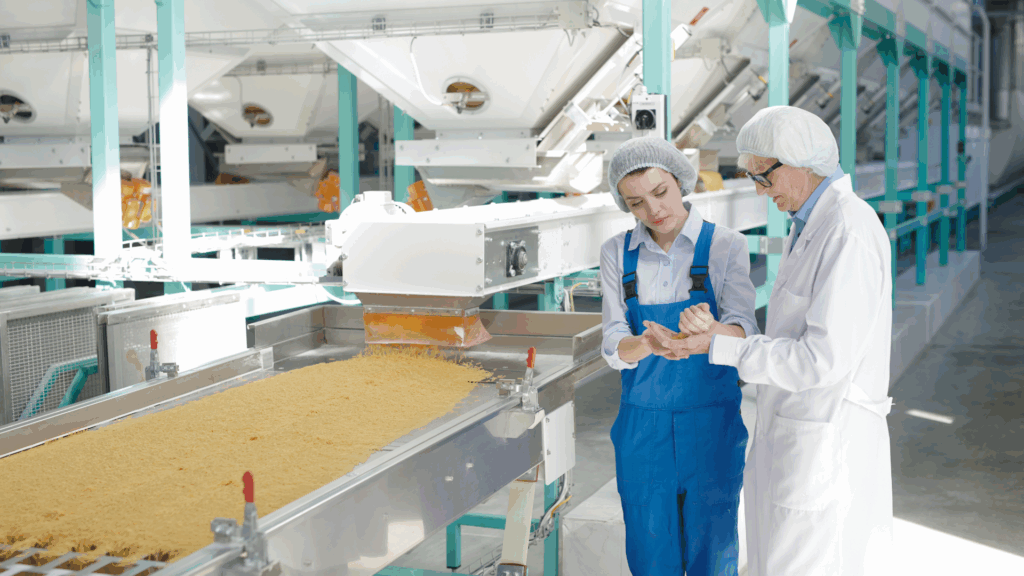
Millet is incredibly versatile in both culinary and industrial food applications. Processing methods further diversify millet grain’s functionality: dehulled and whole grains—also called groats—for cooking, cracked millet for faster meal prep, puffed millet for cereals, and millet flour for gluten-free baking.
Innovations in extrusion, fermentation, and sprouting have further diversified millet’s functionality in the food industry, making it more digestible and nutritionally accessible.
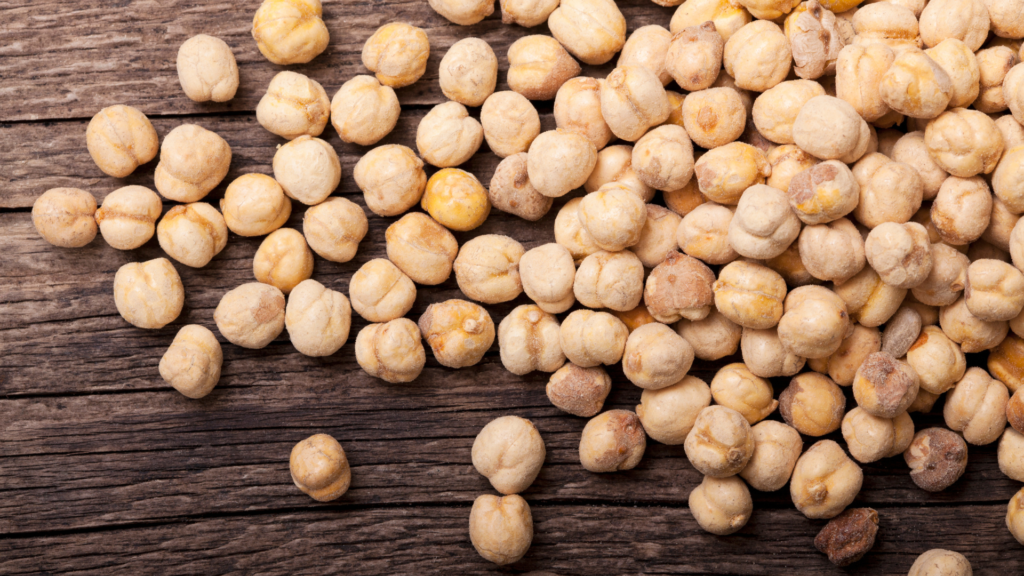
In household kitchens, it can easily replace rice, quinoa, or couscous, serve as a nutritious base for porridges and grain bowls, or be ground into flour for gluten-free baking. Its nutty, neutral flavor makes it ideal for vegetarian and vegan recipes—particularly when combined with legumes like lentils or chickpeas to provide a complete amino acid profile.
In many African and South Asian households, millet remains a dietary staple, featured in flatbreads, fermented porridges, and steamed grains.
From a food perspective, millet is increasingly integrated into formulations for gluten-free, clean-label, and allergen-friendly products. Millet flour is widely used in the production of gluten-free breads, pancakes, biscuits, cookies, and pastries.
Due to its light color and mild taste, it blends seamlessly with other ancient grains and starches in composite flours. Its high gelatinization index also supports soft textures and good moisture retention in baked goods.
In the snack industry, millet is used to produce puffed snacks, extruded crisps, and grain-based chips. Its granular structure performs well in extrusion technology, making it suitable for forming pellets and crunchy inclusions in cereals and trail mixes. Millet-based breakfast cereals and granolas are gaining popularity in health-conscious markets, especially when combined with superfoods like chia, flaxseed, or dried berries.
In the plant-based food industry, millet flour and flakes are used in meat analogues (plant-based burgers, sausages, or nuggets) as a natural binder, texture enhancer, or whole-grain filler. Its hypoallergenic profile is especially valuable for allergen-free formulations.
Outside of food, millet finds applications in biodegradable packaging materials, pet food (especially for birds and small mammals), and even in cosmetic formulations where antioxidant compounds from millet husk are extracted for skincare products.
With its exceptional functional properties, millet grain supports innovation across gluten-free, functional, and plant-based product categories, making it a valuable ingredient for food manufacturers targeting health-conscious, sustainability-oriented, and allergen-sensitive consumers.
Nutrition and Health Benefits
Millet is a nutritional powerhouse, offering a dense profile of macro- and micronutrients that qualify it as a functional food. It is particularly rich in complex carbohydrates and dietary fiber—providing 8–9 grams of fiber and around 70–75 grams of carbohydrates per 100g of raw grain—making it ideal for sustained energy release and improved glycemic control.
This slow-release carbohydrate profile contributes to better blood sugar regulation, lowers insulin spikes, and supports satiety, making millet especially beneficial for people with type 2 diabetes or metabolic syndrome.
It’s also an excellent source of key minerals such as magnesium, phosphorus, iron, and zinc, all of which are essential for bone health, red blood cell production, and muscle function.
Millet’s bran layer contains phenolic compounds such as ferulic acid, catechins, and flavonoids, which exhibit antioxidant, anti-inflammatory, and anticarcinogenic properties. These bioactive compounds may help reduce oxidative stress, lower the risk of cardiovascular disease, and offer protection against chronic inflammation-related disorders.
Several studies suggest that millet-based diets can improve serum lipid profiles by lowering LDL cholesterol and increasing HDL levels.
In terms of digestive health, millet’s soluble and insoluble fiber content acts as a prebiotic, stimulating the growth of beneficial gut microbiota. This contributes to enhanced gut barrier function and nutrient absorption while supporting immune health. Preliminary research also shows that fermented millet products improve the bioavailability of minerals and amino acids, boosting nutritional quality and gut tolerability.
With this rich nutritional and bioactive profile, this grain is increasingly categorized as a functional food – a food that delivers health benefits beyond basic nutrition. It is used in the formulation of diabetic-friendly meals, cholesterol-lowering diets, and clean-label health snacks.
Its synergy of slow-digesting starch, antioxidants, and minerals makes millet an attractive choice for modern consumers seeking holistic wellness through food.
Top Millet Producers in Europe and the World
Millet (alongside sorghum) is cultivated on over 45 million hectares globally, with Africa accounting for more than 65% of total production. India remains the world’s leading producer, followed by Niger, Sudan, and Nigeria.
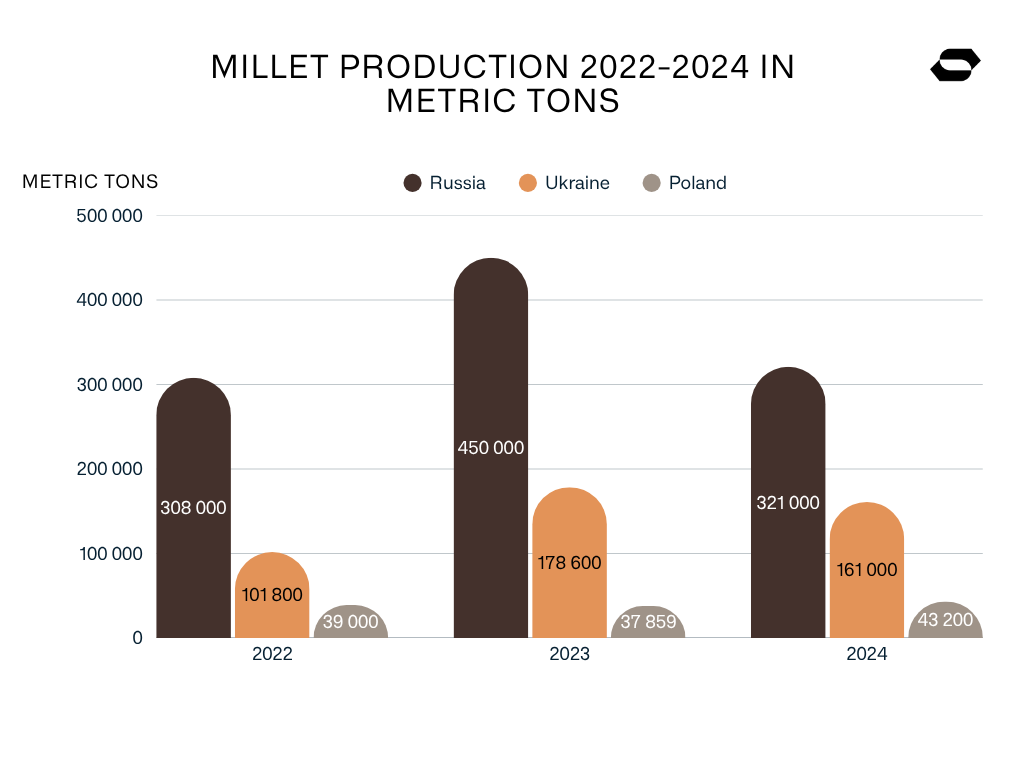
However, Europe is gradually emerging as a relevant regional supplier of high-quality millet, both in conventional and organic agriculture. Within Europe, Russia leads the way, with an estimated 321,000 tons harvested in 2024. Ukraine follows, with a growing millet sector that continues to develop despite wartime challenges. Ukrainian production reached approximately 161,000 tons in 2024, with organic-certified millet gaining traction in EU markets thanks to competitive pricing.
Poland ranks third among European producers, delivering a steady but modest volume of 43,200 tons in 2024. While interest in millet cultivation remains stable, there is hope for further expansion in the coming years.
Although millet’s per-hectare profitability still trails behind that of wheat or maize in Western Europe, it offers key advantages: low input requirements, strong drought resilience, and rising market demand, especially in health-conscious and sustainable food segments.
Price trends vary by variety, farming practice (organic vs. conventional), and end use (food-grade, feed-grade, or industrial).
For sourcing needs, custom origin traceability, or bulk supply in Europe, contact Seedea for verified suppliers and full-service B2B export support.
 Why Millet Matters in Food Production
Millet is more than just an ancient grain – it is emerging as one of the most strategic pseudocereals for the future of food manufacturing.
With its impressive nutritional density, gluten-free profile, and climate resilience, millet aligns with the top priorities of today’s evolving food system: sustainability, health, and supply chain efficiency.
It grows where other crops fail, requires minimal inputs, and fits well into regenerative and low-carbon agriculture models.
For processors, its versatility across food categories. From flours, groats, and extruded snacks to infant cereals and plant-based formulations. This makes millet a valuable product in both mainstream and functional food innovation.
As global demand continues to shift toward clean-label, allergen-friendly, and climate-smart ingredients, millet is well-positioned to transition from a niche crop to a core ingredient in the future of food.
Interested in verified, traceable millet products? Reach out to Seedea for access to trusted suppliers and tailored sourcing support.
Sources:
- https://www.marketsandmarkets.com/Market-Reports/millet-market-157211292.html
(accessed on July 25, 2025) - https://ab-centre.ru/news/proso-ploschadi-sbory-i-urozhaynost-rossii-v-2024-godu
(accessed on July 25, 2025) - https://www.kmu.gov.ua/news/zhnyva-2023-v-ukraini-zibrano-ponad-67-mln-tonn-zernovykh-ta-oliinykh-kultur
(accessed on July 25, 2025) - https://kurkul.com/spetsproekty/1406-yak-viyna-vplinula-na-vrojay-zernovih-ta-oliynih–pidsumki-sezonu-2022
(accessed on July 25, 2025) - https://stat.gov.pl/obszary-tematyczne/rolnictwo-lesnictwo/
(accessed on July 25, 2025)