For many years, pumpkin seeds were mostly seen as a healthy snack – a crunchy addition to bread, muesli, or salads. Today, however, their importance goes far beyond the home kitchen. They have become one of the most strategic bulk food ingredients in global trade, used in bakery, the snack industry, vegetable oil production, supplements, and even cosmetics.
With rising consumer health awareness, the expansion of plant-based diets, and growing interest in natural ingredients, pumpkin seeds are now treated not as a niche product but as a strategic raw material for food producers and importers worldwide. In Europe, Asia, and North America, they enjoy stable demand – both in the conventional sector and in the rapidly growing segment of organic pumpkin seeds.
What Are Pumpkin Seeds? Complete Guide to Types, Uses & Production
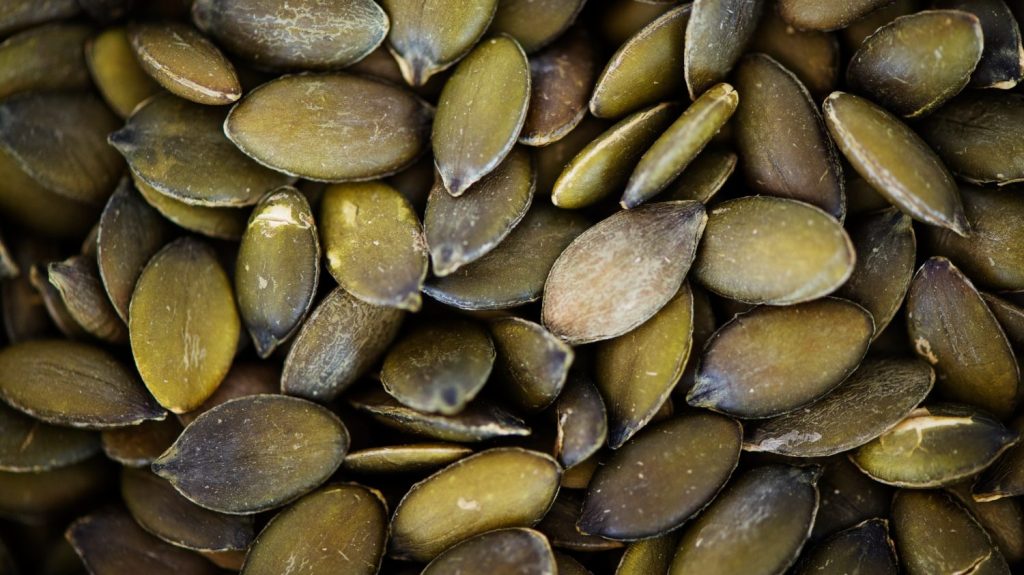
Pumpkin seeds are the edible kernels harvested from various Cucurbita species and represent a niche but rapidly growing segment in the global food ingredients market. These plants have a rich history dating back 8,000-10,000 years, with the earliest evidence found in Mexican caves. The seeds are flat, oval-shaped with a white outer hull and light green kernel inside. Some varieties, such as Styrian types, naturally develop without a white outer shell.
Rich in protein, healthy fats, and essential minerals, these seeds have gained popularity across multiple industries. The primary and most profitable use of pumpkin seeds is human consumption – from healthy snacks and bakery ingredients to cold-pressed oils and protein supplements. Nowadays, serving bakery, snack food, and nutraceutical industries worldwide.

Main Varieties Used in Food Production
Most pumpkins grown for seeds belong to a few main types. They vary in color, oil levels, and how they’re used in food products:
- GWS (Styrian type) – dark green, hull-less seeds with high oil content (40–45%). Predominantly cultivated in Central Europe, particularly Austria. Now also grown in China, Poland, Hungary, Ukraine and the Balkans. Known for their exceptional taste and oil content – perfect for oil pressing and bakery applications.
- Shine Skin – one of the main Chinese varieties, along with Snow White. These seeds are typically used in snacks and are widely incorporated into both confectionery and bakery products.
- Snow White – known for its large size and thick white shell, this Chinese variety is especially popular in Asia and the Middle East, where roasted in-shell pumpkin seeds are a traditional snack.
- Lady Nail – often referred to as Bulgarian origin, this variety is also well‑known and widely consumed in Ukraine, Russia, and Central Asia. Long, slender seeds with cream-colored appearance, increasingly recognized in European markets.
Variety comparison:
| Variety | Region | Characteristics | Oil content | Main uses |
|---|---|---|---|---|
| GWS (Styrian) | Austria, China, Poland, Balkans | Hull-less, dark green | 40–45% | Oil Pressing |
| Shine Skin | China, Ukraine | Light green, thin hull | 30–35% | Confectionary |
| Snow White | China, Ukraine | Large, thick white hull | 25–30% | Confectionary |
| Lady Nail | Bulgaria, Ukraine | Long, slender seeds | 30–35% | Confectionary |
Where Are Pumpkin Seeds Grown? Key Origins
Global pumpkin seed production is concentrated primarily in China and across several European countries, with additional cultivation in the USA and other regions. The majority of international buyers source their pumpkin seeds from China, attracted by competitive pricing and large volumes:
1. China is the undisputed global leader in pumpkin seed production.
Accounting for more than 70% of the world’s supply (for more stats see our dedicated article). This dominant position also makes China the largest exporter on the market. The most important variety produced is Shine Skin, followed by Lady Nail and Snow White, while GWS output has been declining year after year. International buyers often highlight the need for strict quality control, particularly due to concerns over pesticide residues.
2. Austria is the home of the Styrian pumpkin, also known as GWS.
While produced volumes are smaller than in China and cultivation focuses almost exclusively on GWS, Austrian seeds are renowned for their premium quality, often organic-certified, and their oil enjoys Protected Geographical Indication (PGI) status. This reputation is especially strong in German-speaking countries, where demand for Styrian pumpkin seed oil is deeply rooted. However, production is relatively costly, as high cultivation and labor expenses make Austrian pumpkin seeds among the most expensive on the market.
3. Poland is the fastest-growing producer of pumpkin seeds in Europe.
GWS cultivation becoming increasingly important year by year in Poland. Polish seeds are exported across the EU countries as a competitive alternative to both Chinese and Austrian supply. The country benefits from rising EU demand for locally sourced products and holds a clear economic advantage over Austrian production. With steadily increasing volumes, Poland shows strong potential to further expand its role in the European pumpkin seed market.
4. Ukraine’s Role in Global Pumpkin Seed Production.
Production of pumpkin seeds in Ukraine include: Lady Nail, Snow White, Shine Skin, and even GWS. Despite this diversity, recent years have seen stagnation in planted areas due to the ongoing war following Russia’s invasion. While production volumes have not increased, Ukraine remains an important European supplier with strong potential. Its seeds are recognized across the continent, and the country continues to be viewed as a valuable player in the regional pumpkin seed trade.

From Field to Final Product: The Processing Journey of Pumpkin Seeds
The journey of pumpkin seeds from the field to the final product is multi-stage and requires both agricultural expertise and advanced processing technology. Each step directly influences quality and market value.
Harvest typically takes place in early autumn. Seeds are separated from the pumpkin flesh and immediately washed to remove organic residues and impurities. They are then dried under controlled conditions to reduce moisture and secure microbial stability – a crucial step for product safety.
For varieties such as Shine Skin or Snow White, a hulling stage is required to remove the hard shell, and this process must be carried out precisely to minimize seed breakage. Hull-less types like GWS skip this step, making them easier and cheaper to process further. However, while GWS offers this advantage, its yields per hectare are significantly lower compared to hulled varieties. As a result, many farmers – particularly in China – consider GWS cultivation less profitable and are shifting towards higher-yielding Shine Skin variety.
Modern facilities rely on dedicated cleaning lines designed specifically for pumpkin seeds. Optical sorters, metal detectors, and X-ray machines are often used to remove damaged seeds and other impurities. Ensuring a uniform product that meets both importer expectations and regulatory standards. Finally, the cleaned seeds are packed in bags or big-bags and shipped to customer.
Weather conditions also play a significant role in determining quality. Heavy rain, prolonged drought, or sudden cold snaps may reduce yield, oil content and create uneven batches. Another challenge is phosphonic acid residues – a recurring reason for rejected shipments of many pumpkin batches.

Nutritional Profile: Why Pumpkin Seeds Are a Powerhouse
Pumpkin seeds are widely recognized as one of the most nutrient-dense plant ingredients, combining exceptional nutrition with versatile applications. With around 30 g of protein per 100 g, pumpkin seeds are a valuable protein source for producers of high-protein foods, supplements, and sport nutrition. The amino acid profile makes them a strong alternative to soy protein.
They also contain over 40% unsaturated fats, beneficial for cardiovascular health, which is why cold-pressed pumpkin seed oil has become a well-regarded functional food. Additionally, they are rich in magnesium, zinc, and iron, minerals essential for metabolism, immunity, and muscle function. Vitamin E provides strong antioxidant properties, while plant sterols support cholesterol balance.
Compared to sunflower or sesame seeds, pumpkin seeds deliver more protein and zinc – an advantage that strengthens their position in premium functional food and nutraceutical segments.
Common Uses in the Food Industry
The versatility of pumpkin seeds makes them one of the most widely used ingredients in global food manufacturing. Their applications span multiple sectors, from everyday snacks to specialized protein products:
- Bakery Applications:Pumpkin seeds are a staple in bakery production. They are used as toppings for bread, rolls, and crackers, or incorporated into doughs and granola mixes. Their nutty flavor and crunchy texture enhance both the nutritional value and visual appeal of baked goods, making them popular in artisanal and industrial bakery lines.
- Snacking and Confectionery: Roasted pumpkin seeds – whether natural, salted, or spiced – are consumed directly as snacks and appetizers. They are also processed further and integrated into the confectionery market, including chocolate-coated seeds, energy bars, and nut mixes. In many regions, producers package pumpkin seeds as ready-to-eat snacks for both retail and wholesale distribution.
- Oil Pressing: Varieties such as GWS are valued for their high oil content (up to 45%). Pumpkin seed oil, with its dark green color and distinctive nutty taste, is especially renowned in Austria and Central Europe, where it carries culinary and even medicinal prestige. Beyond traditional uses, the oil is increasingly sought after for cold-pressed premium products.
- Plant Protein & Nutraceuticals: In the fast-growing plant protein segment, pumpkin seeds are processed into protein powders that serve as an allergen-friendly alternative. These are widely used in vegan protein blends, nutritional supplements, and sports nutrition. Pumpkin seed protein finds applications in spreads, protein bars, shakes, and a growing range of functional foods targeting health-conscious consumers.

Organic vs. Conventional Pumpkin Seeds: What’s the Difference?
The difference between organic and conventional pumpkin seeds goes far beyond pricing. Organic cultivation follows strict farming practices that exclude synthetic pesticides, herbicides, and chemical fertilizers. Farmers must comply with recognized certification standards (such as EU Organic, NOP Organic, or Bio Suisse), which require regular audits and full traceability throughout the supply chain.
Conventional pumpkin seeds are cultivated on fields where synthetic fertilizers and plant protection chemicals are commonly used. This allows farmers to achieve higher yields, often above ~1000 kg/ha, making conventional seeds more widely available and competitively priced. As a result, they remain the standard choice for large-scale food production and for most international customers.
Organic pumpkin seeds, by contrast, must be cultivated on chemical-free land, ideally on soil that has not been intensively farmed. Because pumpkin plants absorb residues from the soil, only carefully selected and well-adapted fields are suitable for organic production. Yields are significantly lower, typically around 400–500 kg/ha. Nevertheless, demand for organic pumpkin seeds continues to grow steadily, particularly in Europe and the United States, where residue-free quality, transparency, and sustainability are essential buying criteria.
In Europe, organic pumpkin seeds represent a rapidly expanding segment, driven by demand for residue-free, regionally produced products with fully traceable origins. In contrast, Chinese production continues to face recurring challenges with residues such as phosphates or ETO, which often result in rejected shipments at EU borders. As a result, more importers are turning to European suppliers, prioritizing transparency and safety over sheer volume.
When to Buy Pumpkin Seeds: Harvest Timing and Prices
Pumpkin seed procurement requires strategic timing aligned with global harvest cycles. Primary harvest seasons in major producing regions occur from September through November: both China and European producers (Austria, Poland, Hungary, Bulgaria) follow similar harvest schedules. Conventional varieties typically begin harvesting several weeks earlier than organic crops. European sowing seasons have been starting progressively later in recent years, resulting in correspondingly delayed harvest periods.
Price volatility follows predictable seasonal patterns. The most cost-effective procurement window occurs immediately post-harvest (September-November) when supply volumes peak and prices reach annual lows. During this period, most long-term contracts are negotiated and secured. If you need help with pumpkin seed sourcing, contact Seedea.

Purchasing later in the season typically proves problematic as high-quality raw material becomes increasingly scarce. This applies to both conventional and organic varieties, with organic supplies particularly constrained due to limited cultivation area representing only 5-10% of total production.
Small Seeds, Big Impact: Pumpkin Seeds in Sustainability
As sustainability becomes a cornerstone of global food trade, pumpkin seeds naturally align with this trend. Crop rotation with oilseed pumpkins improves soil quality and helps limit plant diseases. Compared to crops like soy or corn, pumpkins require relatively low water input, making them environmentally friendly.
Processing is also close to zero-waste. Seeds go to food production, oil to gastronomy and supplements, while pumpkin flesh is used for animal feed or other processing. In recent years, many suppliers have also invested in recyclable or reduced-plastic packaging, aligning with retail and consumer expectations.
The versatility of pumpkin seeds – covering applications in food, oil, protein, flour, and even cosmetics – reinforces their role as an ingredient that delivers nutritional, commercial, and environmental value.
Conclusion: Why Pumpkin Seeds Are Gaining Importance
Pumpkin seeds remain a niche compared to major global commodities, yet they play an increasingly important role across multiple sectors of the food industry. Their strong nutritional profile, versatility in applications and plant-based products make them highly attractive to food manufacturers, snack producers, and nutraceutical companies.
At Seedea, we connect buyers and suppliers through secure, certified, and fully traceable pumpkin seed supply. Get in touch to explore sourcing options and see how pumpkin seeds can strengthen your product portfolio.
Source:
- „Pumpkin and Pumpkin By-Products: A Comprehensive Overview…” https://www.researchgate.net/publication/383488475_Pumpkin_and_Pumpkin_By-Products_A_Comprehensive_Overview_of_Phytochemicals_Extraction_Health_Benefits_and_Food_Applications
- „Pumpkin seed as a sustainable source of plant-based protein” https://www.tandfonline.com/doi/full/10.1080/10408398.2025.2505235?utm_source=chatgpt.com#d1e233
- „Concepts of sustainable agriculture i biointensive farming” https://jaet.journals.ekb.eg/article_360620_e5b5f4ea3fc5d6062f36e58f874f8310.pdf