Food fraud prevention is one of the greatest challenges in the global ingredient supply chain. As raw materials travel across borders and pass through multiple hands, opportunities for fraud increase. From falsely labeled organic grains to diluted premium oils, the risks are real, and the consequences severe.
Picture this: an importer in Europe opens a shipment of organic chia seeds. The paperwork looks legitimate, but doubts remain—are they truly organic? This uncertainty highlights the urgent need for robust fraud prevention.
Consumers expect transparency, regulators tighten standards, and a single fraud case can ruin years of brand-building. In this article, we outline strategies, technologies, and regulations that help importers and manufacturers build trust in authenticity and traceability. With Seedea’s expertise in supplier verification and compliance, companies can secure their sourcing and protect their reputation.
Why Food Fraud Prevention Matters More Than Ever
Food fraud prevention in ingredient sourcing is not a distant concern – it’s happening right now. FAO and WHO define food fraud as the intentional misrepresentation of food or ingredients for economic gain. This can mean relabeling conventional ingredients as organic, diluting premium oils with cheap substitutes, or even selling grains intended for technical use as food.
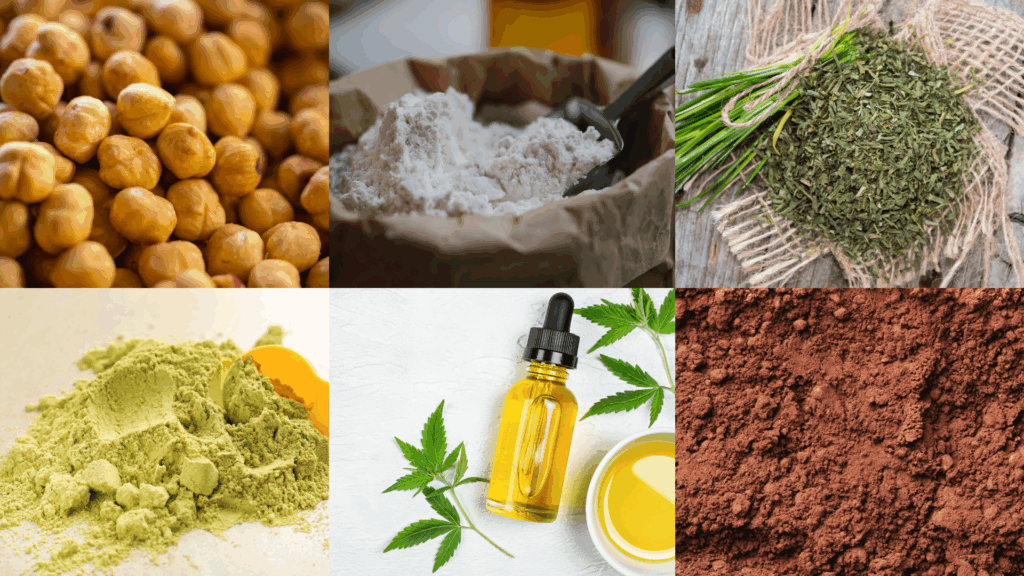
According to the European Commission’s RASFF Report 2024, cases are on the rise: over 5,200 alerts were issued, including hundreds related to cereals and bakery products. The scale of fraud has grown to touch everyday commodities – pulses, grains, oils – not just high-value spices or saffron. The consequences? Damaged brand reputation, legal penalties, costly recalls, and ultimately, the loss of consumer trust. In today’s market, authenticity and traceability are no longer optional – they are mandatory.

Stories of Food Fraud: What Really Happens
Fraud is easier to understand through real examples. Consider olive oil. For years, it has been one of the most counterfeited products in Europe. In 2023, authorities seized over 260,000 liters of mislabeled oil, sold as extra virgin but in reality mixed with low-quality blends.
Or take the US organic grain scandal, valued at $250 million, where shipments of conventional corn and soybeans were disguised as organic. Buyers thought they were paying for premium goods, but in reality, they were victims of one of the largest food fraud cases in history.
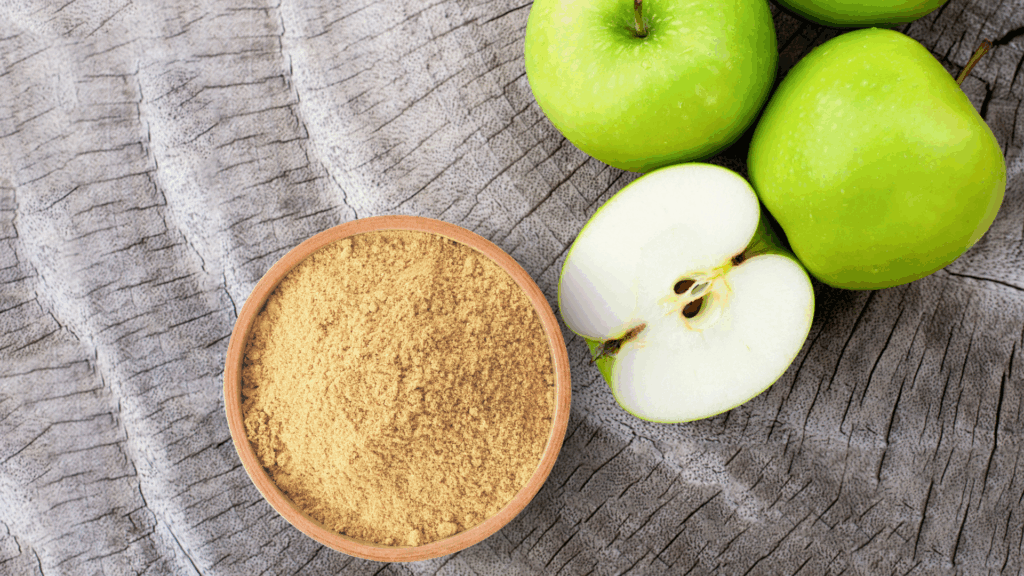
Even seemingly simple products like apples are at risk. In 2019, Eurojust uncovered 1,400 tonnes of “organic” apples that turned out to be anything but. These cases remind us that food fraud is not a theoretical issue – it is a real and ongoing threat.
The Many Faces of Food Fraud
Food fraud in ingredient sourcing can take many forms, and each brings unique risks:
- Adulteration and mixing – Expensive products like olive oil or honey are blended with cheaper ingredients to cut costs. Consumers still pay premium prices, but don’t get premium quality.
- False certification – A common fraud in the organic sector, where conventional chia or lentils are passed off as organic, supported by falsified paperwork.
- Mislabeling of origin or ingredients – For instance, lentil protein sold as 100% pure, but mixed with pea protein or other fillers.
- Illegal diversion – Grains intended for technical or industrial use being redirected into the food chain.
Each of these practices damages not just individual companies but the credibility of the entire food industry.
Why Supply Chains Are Vulnerable
Modern ingredient supply chains are complex and global. A shipment of organic sesame seeds may travel from smallholder farms in Africa, through middlemen in Asia, to importers in Europe. Along the way, every new handler represents a point of vulnerability. Fraudsters exploit:
- The high value of certain commodities (saffron, vanilla, organic pulses).
- Cross-border differences in regulations and enforcement.
- The sheer number of intermediaries involved before a product reaches the end consumer.
Without strong controls, this complexity makes it easy for fraudulent products to slip through.
How Companies Can Prevent Food Fraud
An effective Food Fraud Mitigation Plan is built on five pillars:
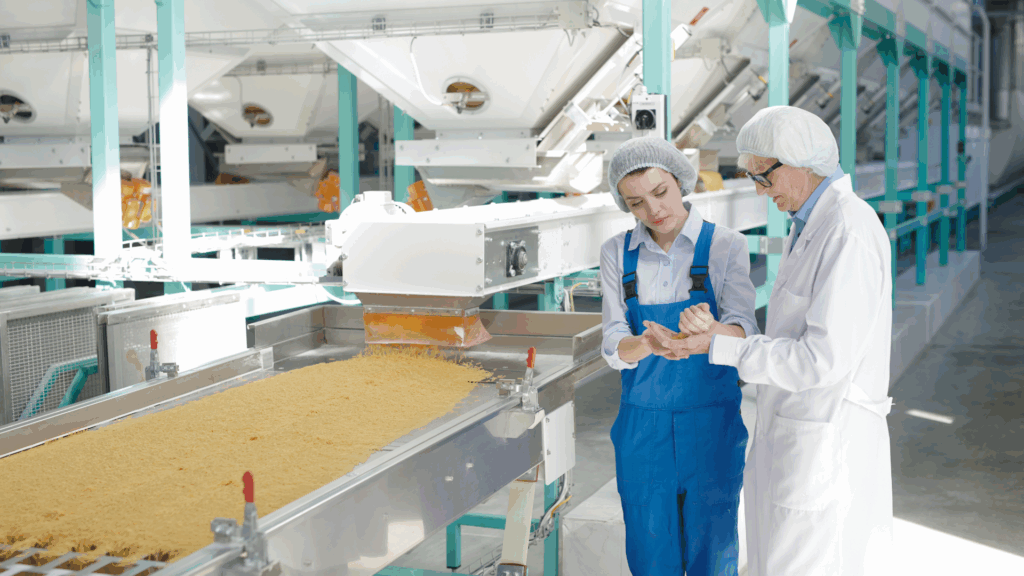
- Supplier Verification – Regular audits, valid certificates (BRC, IFS, FSSC, EU Organic), and continuous approval processes.
- Authenticity Testing – Using DNA barcoding, isotope analysis, or spectroscopy to confirm that products are genuine.
- Traceability Systems – Blockchain and ERP platforms that track every batch, from farm to importer.
- Risk-Based Segmentation – Identifying high-risk suppliers and products and applying stricter controls.
- Training & Awareness – Making sure teams understand fraud risks and know how to detect them.
These measures don’t just prevent fraud – they build customer confidence and protect long-term business relationships.

The Role of Technology
Technology is transforming how companies fight fraud. The EU’s TRACES platform now requires a Certificate of Inspection (COI) for all organic imports. Certification bodies like Ecocert and Control Union offer searchable databases, allowing buyers to instantly verify whether a supplier’s certificates are valid. Advanced testing methods – from DNA sequencing to isotope ratio analysis – make it harder than ever for fraudsters to hide.
In short, technology is shifting the balance of power, making fraud prevention not just possible but practical.
Regulations and Standards That Matter
Preventing food fraud isn’t just about best practices – it’s also about compliance. In the European Union, the Food Fraud Network and the RASFF system play a key role in monitoring alerts. Globally, the Codex Alimentarius provides a baseline for authenticity and labeling, while certifications like BRCGS, IFS, FSSC 22000, EU Organic, and USDA Organic set internationally recognized standards.
By aligning with these frameworks, importers not only protect themselves but also ensure access to global markets.
Best Practices for Importer
European importers leading the way in fraud prevention share a few habits:
- They develop Organic Fraud Prevention Plans (OFPP) to map vulnerabilities.
- They conduct regular traceability audits to ensure compliance.
- They verify certificates continuously using public databases.
- They invest in laboratory testing for pesticides and authenticity checks.
- They collaborate with industry networks like AFI, OTA, Europol, and the EU Food Fraud Network.
Want to strengthen your supply chain? Talk to Seedea today.
FAQ – Quick Answers on Food Fraud
What is the difference between food fraud and food defense?
Food fraud is motivated by profit; food defense protects against intentional harm (e.g., sabotage).
How can buyers quickly verify organic certificates?
By using certification databases like Ecocert or Control Union.
What’s the first step to build a Food Fraud Mitigation Plan?
Start with a vulnerability assessment, classify suppliers by risk, and integrate fraud checks into procurement.
Conclusion – Building Trust Through Prevention
Food fraud prevention is no longer optional. It is the foundation of trust, compliance, and competitiveness in modern ingredient sourcing. Companies that embrace authenticity testing, traceability, and supplier verification don’t just avoid risk – they gain a strategic advantage.
At Seedea, we connect importers, processors, and retailers with a global network of certified, trustworthy suppliers. With our expertise in fraud prevention, audits, and traceability, we help brands protect their reputation and secure their future.
Let’s talk about securing your ingredient sourcing with Seedea.
Source:
- The rising tide of food fraud: Risks and prevention in global supply chains, New Food Magazine.
- Food Fraud Annual Report 2022–2023, inspection.canada.ca.
- Global perspectives on food fraud: results from a WHO survey of INFOSAN members, openknowledge.fao.org+4PMC+4inspection.canada.ca+4.
- Enterprise Risk Management to Food Fraud Prevention, Food Fraud Prevention Think Tank+1.
- Food Fraud Explosion: A Tenfold Increase from 2020 to 2024, digicomply.com.
- Transparent and Traceable Food Supply Chain Management, arXiv.