Raw material quality control in food manufacturing often begins with a single call: “We have a problem.” In many facilities, this call happens just after a delivery arrives at the gate and something isn’t right. Suddenly, a shipment worth thousands of euros is placed on hold. Production slows down or stops. Procurement must quickly decide whether to reject the lot or explore alternative ways to use the material without compromising quality or compliance.
These situations happen every day across the food industry. For procurement teams, quality control during raw material reception protects commercial value and helps build stronger supplier relationships. For QA teams, it’s proof that sampling accuracy and analytical data aren’t just about documentation – they’re the foundation of sound operational decisions.
Raw Material Quality Starts at Reception – Here’s Why it Matters
Every accepted batch shapes the quality and efficiency of the entire production cycle, as emphasized by FAO’s food safety guidelines. Just one non-compliant delivery can disrupt production, cause delays, and result in expensive claims. For that reason, intake QC from the reception is crucial. Raw material intake is one of the most crucial control points in food manufacturing – it determines quality, compliance, and operational efficiency.
From a procurement perspective, implementing effective ingredient quality control contributes directly to financial stability. Accurate sampling and testing help reduce batch rejections, prevent unnecessary costs caused by non-compliant materials, and support stronger supplier relationships.
From the perspective of quality assurance (QA) and quality control (QC) teams, this process ensures that each batch meets food safety standards and regulatory requirements. It also verifies compliance with internal specifications before raw materials enter production. The cost of poor quality in food manufacturing is often underestimated. Rejecting or reprocessing non-compliant deliveries typically results in much higher costs than preventive testing at the time of raw material reception.
For this reason, leading food manufacturers treat intake quality control as an essential part of their procurement return-on-investment (ROI) strategy. Spending extra minutes on proper quality checks during goods reception helps avoid production delays, minimize customer complaints, and protect long-term operational efficiency.
Want to learn more about how Seedea helps importers build reliable supplier networks? Visit our Supplier Verification & Audits Guide

Can Procurement and Quality Teams Speak the Same Language?
Procurement and quality teams often work toward the same goal: a stable, safe, and cost-efficient supply chain. But they rely on different metrics and priorities to achieve it. That’s why alignment matters more than ever.
Quality Assurance (QA) defines acceptance criteria and builds preventive systems. Quality Control (QC) runs the tests and determines whether a batch meets the defined standards. Procurement selects and manages suppliers, balancing purchasing cost, quality, and delivery performance. In high-performing companies, these functions operate in sync.
Procurement doesn’t just negotiate prices – it sets clear expectations for analytical parameters, packaging, and COA (Certificate of Analysis) requirements. Quality teams don’t just collect results – they deliver critical data that procurement uses to evaluate and manage supplier performance. When both departments share KPIs, such as first-time acceptance rate or COA accuracy score, quality control becomes more than a cost center. It becomes a shared measure of operational efficiency.
Strong communication between procurement and quality also helps avoid unnecessary disputes.
For example, when a delivery is placed on hold, QA can investigate the technical issue, while procurement immediately assesses the commercial impact. This joint approach speeds up decisions, improves supplier transparency, and reduces bottlenecks at the goods-in stage.

Food Sampling Basics for Reliable Quality Control
Every quality decision begins with sampling. The accuracy of any laboratory test or visual inspection depends entirely on whether the sample truly represents the batch. Inconsistent or poorly collected samples can lead to wrong conclusions: accepting non-compliant materials or rejecting good ones. That’s why a well-defined food sampling procedure is the foundation of every effective intake QC system.
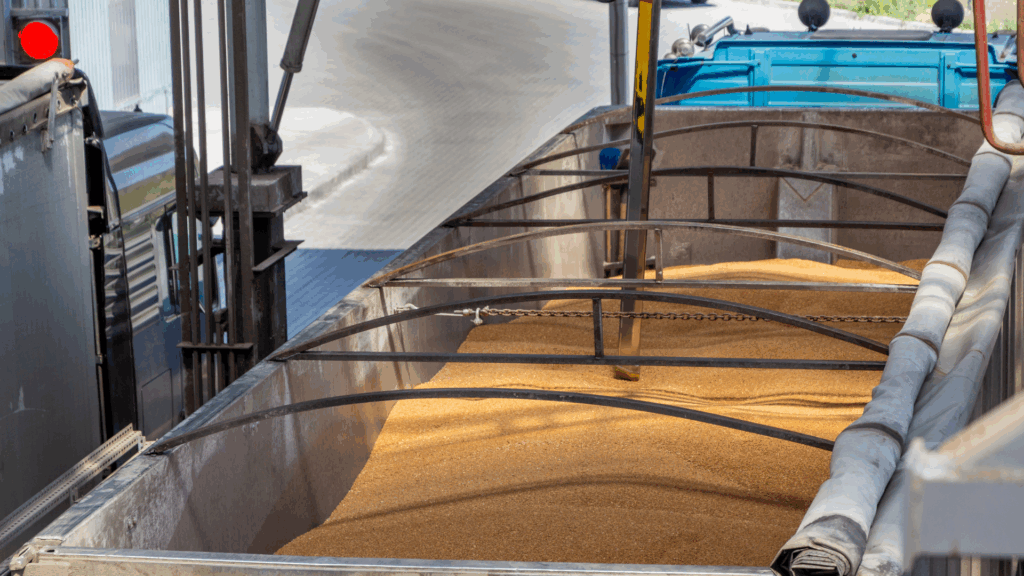
Sampling plans should follow a clear logic: where, how, and how much material is taken. Random sampling ensures statistical fairness, systematic sampling gives consistency, and composite sampling. Combining multiple small samples into one representative blend – helps evaluate large lots such as grains or seeds delivered in big bags or tankers, according to European Commission guidelines on food sampling and analysis. Each method has its place, depending on product type and risk category.
Proper labeling and traceability are equally important. Every sample must carry information about the supplier, batch number, date, and person responsible. Maintaining this chain of custody ensures that results can always be linked back to the correct shipment, preventing disputes between suppliers, procurement, and QA teams. In practice, digital registration through ERP systems helps track results, trends, and supplier history automatically.
If you enjoyed this section, explore our article on Food Fraud Prevention in Organic Ingredient Sourcing to see how quality control protects against mislabeling and fraud.
Risk-Based Sampling: Focus Resources Where They Matter Most
Not every raw material requires the same level of inspection – but the sampling strategy should never be based on product type alone. In practice, the frequency and intensity of sampling depend on multiple factors: company size, internal quality policy, available lab capacity, customer expectations, and the supplier’s track record.
That’s why leading food manufacturers use risk-based sampling plans: flexible frameworks that adjust testing based on supplier performance, historical data, material risk, and business impact.
There is no one-size-fits-all formula. Still, many companies follow a tiered approach:
- Higher-risk scenarios (e.g. new suppliers, unstable origins, past claims history) may require testing every batch.
- Stable, verified partners with high acceptance rates might qualify for reduced frequency or spot checks.
- Low-risk inputs supported by reliable COAs and consistent history can often follow a release-on-COA protocol – depending on internal policy and certification requirements.
Procurement teams play a key role in shaping these planes. Supplier performance data – acceptance rate, accuracy of Certificates of Analysis (COA), response time to claims, and audit results. Together with QA, they define when to escalate sampling frequency (trigger points), for example, after changes in supplier ownership, rising defect trends, or customer complaints.
In this way, a sampling plan becomes more than just a compliance tool. It balances control costs with risk exposure, ensuring that the company spends time and resources only where they bring measurable protection and reliability.
QC Workflow: From Delivery to Release
The journey from delivery to final acceptance is where quality and procurement meet in real time. Each incoming lot represents a decision point – accept, quarantine, or reject. Therefore, the faster and more reliable this process is, the smoother the entire production flow becomes.
An effective intake QC workflow begins with visual and documentary checks. Teams verify seals, labeling, and packaging integrity, and they cross-check each shipment with the purchase order and COA. Next comes the initial sensory evaluation – color, odor, texture, or visible contamination. In addition, quick measurements such as moisture content provide instant feedback on whether the batch is within expected parameters.
If any irregularity is found, the material is flagged as on hold and moved to a quarantine area pending lab verification. Procurement is immediately informed – not to assign blame, but to coordinate the next steps with the supplier. Consequently, this shared approach prevents costly delays and builds transparency.
As part of the quality protocol, a retained sample may be sent to an accredited external laboratory for confirmation analysis – especially in cases where internal results are inconclusive or additional testing is required. If the third-party lab confirms compliance, the batch may be approved and released into production based on the company’s internal policy.
If not, a formal claim procedure begins with the supplier, supported by full documentation and analytical evidence. Depending on the outcome, the batch is either rejected, reclassified, or accepted under specific conditions defined by the quality team.
Takeaway: A strong intake QC workflow is not about bureaucracy. Instead, it is about making faster, data-driven decisions that protect production schedules, reduce complaints, and strengthen supplier trust.
Supplier Quality Management: Using QC Data for Better Decisions
Every test result tells a story – not just about one batch, but about supplier reliability over time. When quality data is consistently captured and analyzed, it becomes a powerful procurement tool. This is where ingredient quality control meets strategic sourcing.
Procurement teams can use QC reports to build a supplier scorecard combining three dimensions:
- Quality performance – % of accepted lots, frequency of deviations, trend of defects.
- Documentation accuracy – COA–spec alignment, completeness, and timeliness.
- Responsiveness – how quickly and effectively a supplier respond to claims.
Suppliers that maintain high performance can earn reduced sampling frequency or preferred status; those with recurring issues may face tighter controls or even replacement. This system not only drives continuous improvement but also keeps procurement decisions transparent and data-based.
For QA departments, supplier evaluation also offers early warning signals. A gradual rise in borderline results or inconsistent COAs can indicate emerging risks before a critical failure occurs. Sharing these insights with procurement allows for proactive supplier communication – sometimes preventing a major nonconformity months in advance.
In short, QC data is no longer just for lab archives. When shared across departments, it becomes both an operational and a financial compass. It helps companies allocate resources wisely. Moreover, it ensures that supplier quality aligns with technical requirements as well as commercial expectations.
Takeaway: When QC data becomes supplier intelligence, quality shifts from a cost center to a strategic asset – supporting better sourcing decisions and stronger supplier management.

COA and Specification Verification: Ensuring What’s on Paper Matches What’s Delivered
A Certificate of Analysis (COA) is one of the most important documents in ingredient sourcing but it’s also one of the most misunderstood. Many procurement teams assume that a complete COA equals a compliant batch. In reality, a COA is only as reliable as the verification process behind it.
COA verification means confirming that reported values align with internal specifications and validated test results, typically provided by third-party laboratories rather than in-house teams. This ensures that what’s declared on paper aligns with the actual raw material delivered. This step ensures that what’s written on paper aligns with the product physically delivered. Even a small deviation, such as in moisture, microbiology, ash, or peroxide value – can impact processing, shelf life, and compliance.
When values fall outside the agreed specifications, the batch may be rejected or placed on hold, and a claim is submitted to the supplier for resolution. The decision depends on internal procedures, risk level, and the supplier’s response.
To support traceability, each intake site should keep retained samples – small portions of every batch stored under controlled conditions. These retained samples serve as reference material for complaint handling or retesting. Most manufacturers keep them for at least 6-18 months, depending on product shelf life.
Takeaway: The COA verification process plays a vital role in quality assurance by ensuring that reported test values correspond to the true quality of received goods.
In-House Laboratory Equipment for Efficient Raw Material Quality Control
Not every facility needs a full-scale laboratory, but having an in-house lab setup for raw material testing significantly improves quality control workflows. Internal testing capabilities allow teams to make faster, data-driven decisions at the point of goods reception – before materials enter production.
Well-equipped in-house labs can perform up to 80% of standard quality checks, enabling manufacturers and procurement teams to verify critical parameters without waiting for external lab results.
Typical in-house QC tools include:
- Visual and sensory inspection tools – essential for detecting discoloration, off-odors, texture issues, or packaging defects.
- Rapid test kits – widely used for detecting mycotoxins, aflatoxins, allergens, or pesticide residues in high-risk raw materials.
- Moisture analyzers – for fast and accurate moisture readings in grains, seeds, powders, or dried ingredients.
- Grain analysis devices (e.g. Chopin-type machines) – for evaluating bulk density, protein content, gluten quality, and other key performance indicators.
- Sieves and magnets – used optionally to detect foreign bodies or metal fragments, particularly in bulk dry goods.
The aim of in-house quality control is not to replace accredited external laboratories, but to speed up release decisions, reduce production delays, and support real-time risk assessment. If further analysis is needed, retained samples can still be sent to external labs, especially for regulatory or complex tests.
By combining in-house lab tools with clear SOPs, trained staff, and digital data recording, companies gain tighter control over raw material quality, improve responsiveness, and reduce the cost of poor quality.
Takeaway: An in-house lab speeds up quality decisions, reduces claims, and helps procurement manage supplier risk in real time.
External Laboratory Testing: When and Why to Outsource
Even the best-equipped in-house laboratory has its limitations. Some analyses such as microbiology, pesticide residues, heavy metals, aflatoxins, peroxides, or polycyclic aromatic hydrocarbons (PAHs) require accredited third-party laboratories with specialized equipment and accredited methods. Knowing when and how to outsource testing is a key part of a risk-based quality control strategy.
External testing is typically used when:
- Microbiological testing is needed – in virtually all food categories, as this is a basic, cost-effective analysis that cannot be skipped. It is especially important for imported raw materials, where contamination with pathogens like Salmonella or E. coli can pose serious health and regulatory risks.
- Residue screening is required – including pesticides, heavy metals, aflatoxins, peroxides, and other chemical contaminants, particularly in sensitive or certified organic supply chains.
- Internal versus supplier COA results differ – requiring third-party confirmation to resolve claims or disputes. Independent labs provide objective data that supports final decisions between QA, procurement, and the supplier.
- Pre-shipment verification is requested – in some cases, importers subcontract external surveyors to collect samples directly at the supplier’s warehouse. This allows quality checks before the goods are shipped, reducing the risk of costly non-compliance upon arrival.
For QA teams, external laboratories provide independent verification and ensure compliance with ISO 17025 standards. For procurement, these results offer objective leverage in supplier negotiations and claims.
However, test results only bring full value when integrated into internal systems. Leading manufacturers rely on integrated quality systems to link external lab results with batch records, supplier performance, and quality trends. This digital connection helps maintain food safety compliance and supports alignment with global standards like GFSI.
A shared view of supplier performance allows both QA and procurement to identify recurring issues early and take preventive action. This helps move from reactive quality control to proactive supplier risk management.
People remain central to the process. Well-trained teams ensure consistency across sampling, documentation, and supplier communication.
External testing is not just about compliance. It is a strategic quality tool that supports supplier oversight, protects product safety, and helps organizations make confident sourcing decisions.
Takeaway: External testing, digital integration, and skilled teams form a closed loop where every quality result drives better sourcing choices for procurement. Reducing risk, improving sourcing accuracy, and increasing customer trust.

FAQ – Common Questions from QA & Procurement Teams
1. What type of raw matexternal Laboratory Testing: When and Why to Outsourrials require the most frequent testing?
There is no universal answer – testing frequency depends primarily on your internal analytical plan and quality policy. While some products like: spices and herbs are often considered high-risk, the best approach is data-driven. Tools like the RASFF database help identify raw materials with frequent safety alerts. For example, if poppy seeds are often flagged for morphine content, every batch may require testing – even from a trusted supplier.
2. When should we send samples to an external laboratory?
Use external labs for microbiology, pesticide residues, heavy metals, aflatoxins, and other regulated contaminants. Also consider them when COA results conflict, during dispute resolution, or when pre-shipment verification is needed.
3. What is the difference between a COA and specification verification?
Product specification is an internal document that defines the quality and safety parameters a raw material must meet – it sets your company’s expectations. A COA is a report issued for a specific batch, usually issued by an external lab, showing the actual test results. To verify a batch, COA values must be compared against your internal specifications or applicable regulatory limits. If a COA is based only on internal testing by the supplier, it should be treated with great caution.
4. How do retained samples help resolve quality disputes?
Retained samples serve as reference material. If a complaint arises, they allow for re-analysis or third-party testing to confirm the original results.
5. What should be included in a supplier scorecard based on QC data?
Track acceptance rate, COA accuracy, claim resolution time, and defect trends. These KPIs help procurement teams assess supplier reliability and make informed sourcing decisions.
6. Is it worth investing in an in-house lab setup for raw material quality control?
Yes. An in-house lab speeds up quality decisions, reduces delays, and enables real-time supplier risk assessment – especially useful for frequent or high-volume deliveries.
7. Can visual checks replace analytical testing?
No. Sensory inspection is useful but never enough on its own. Chemical and microbiological tests are essential for safety and compliance.
8. What’s the most common cause of batch rejection in food manufacturing?
Batches are most often rejected due to exceeding critical limits – including pesticides, microbiological contamination, heavy metals, moisture content, foreign matter, or insufficient purity. Packaging damage or incorrect labeling can also be grounds for rejection in certain cases. Inconsistent or incomplete COAs do not usually lead to automatic rejection, but they often trigger additional testing – especially when issued by non-accredited labs or lacking batch traceability.
9. How can procurement use QC data to improve sourcing decisions?
By connecting test results to supplier performance, procurement teams can negotiate better, flag underperformers, and prioritize reliable partners.
10. What systems help manage QC data across departments?
Integrated quality systems (e.g. ERP with QC modules) ensure transparency between QA and procurement, linking lab results with supplier history and batch-level data.
Looking for trusted suppliers or better quality assurance? Contact Seedea to discover how our audits and supplier verification solutions can help you source with confidence.
Source:
- https://www.fao.org/food-safety/en/
- https://food.ec.europa.eu/food-safety/chemical-safety/contaminants/sampling-and-analysis_en?
- https://www.iso.org/standard/66912.html
- https://analyticalscience.wiley.com/
- https://www.brcgs.com/our-standards/food-safety/